Review · CAPE TOWN
Cape Town: Essential Food and Drink Tour
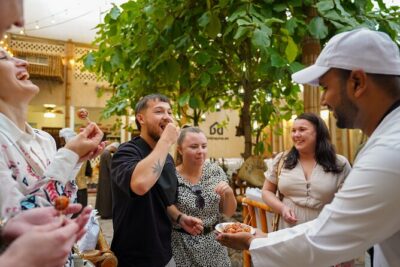
Cape Town’s story is easiest to grasp one bite at a time. This four-hour walk begins at Bo-Kaap Deli and links the colourful Bo-Kaap with De Waterkant, Green Point, and the V&A Waterfront, using bobotie, koeksisters, beer, gin, and other local tastes to explain how the city was shaped.
I like the wide range of food and drink, from Cape Malay cooking and African dishes to craft beer, fynbos ice cream, and Inverroche gin. I also like the way guides such as Justin and Olivia connect each stop to architecture, spice routes, slavery, apartheid, and daily life.
The main drawback is simple: you walk about two miles and eat a lot. That is a fine trade for hungry food lovers, but less appealing if you have limited mobility, a small appetite, or breathing problems.
Key points to know before booking
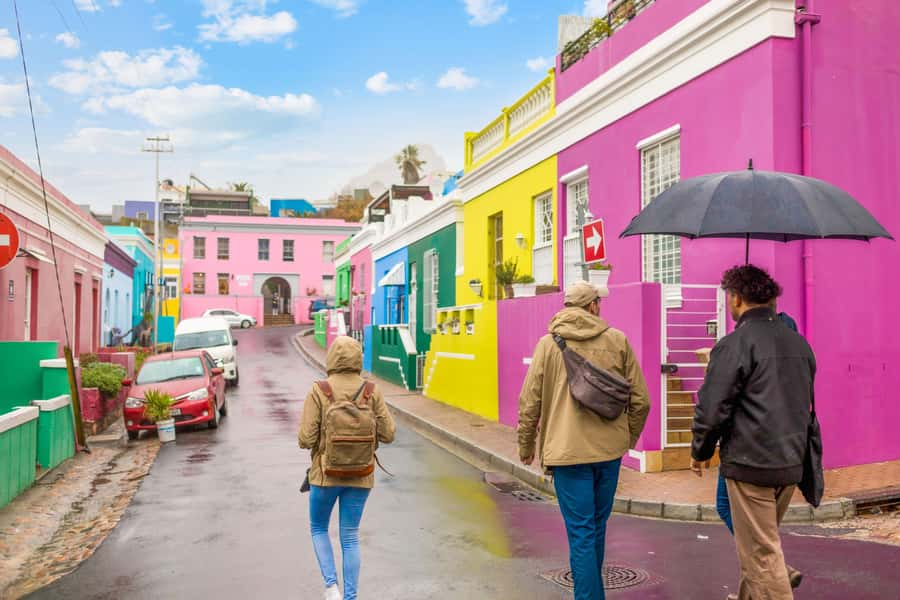
- Bo-Kaap begins the story: Meet inside Bo-Kaap Deli and start among the area’s famous painted buildings and Cape Malay food traditions.
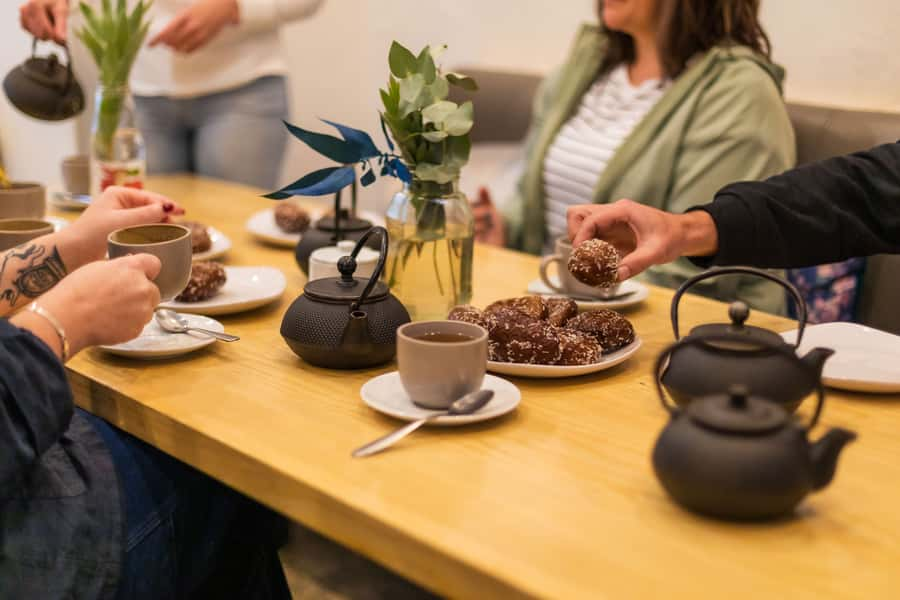
- Food comes with context: Bobotie, koeksisters, pap, chakalaka, bunny chow, and rooibos help explain Cape Town’s cultural mix.
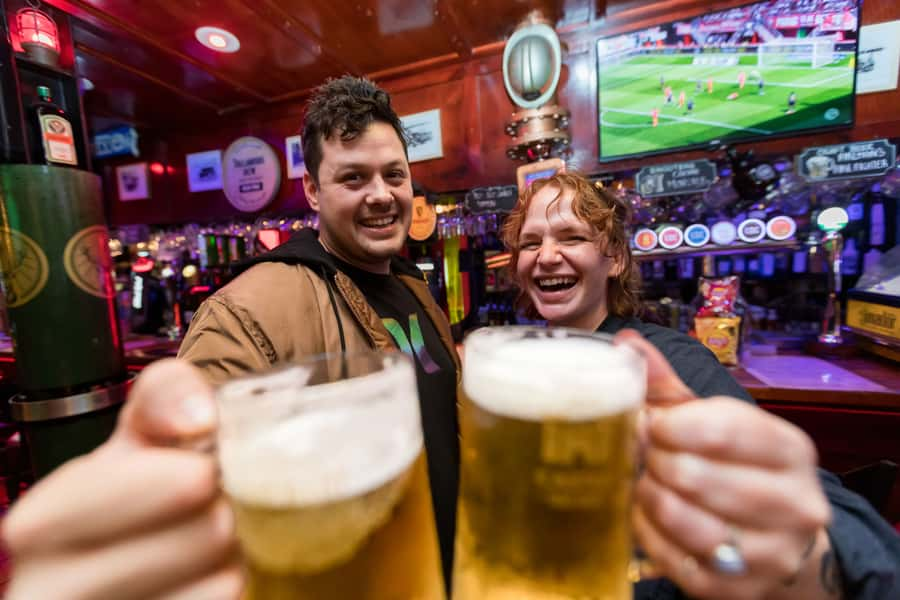
- The drinks are a real part of the tour: Expect coffee pairing, bobotie with bubbles, three beers with food pairings, and an Inverroche gin tasting.
- The route covers several districts: You walk through Bo-Kaap, De Waterkant, Green Point, and the Waterfront rather than staying in one dining area.
- Guides shape the experience: Justin, Olivia, and Marianne are praised for making the history clear, social, and easy to follow.
- Plan for a full meal’s worth of samples: One person found the food almost too plentiful, while others found the portions just right.
Why this food tour works as a Cape Town introduction
Food tours are often best on a first full day in a city, and this one gives you a useful map of Cape Town as well as something to eat. You start in Bo-Kaap, then move through nearby districts toward the Waterfront, stopping at different venues rather than sitting in one restaurant for four hours.
The route matters. Cape Town can feel like a collection of separate neighbourhoods, each with its own look, food traditions, and past. Walking between them helps you see how the city fits together. Your guide fills in the gaps with stories about international trade, the 17th-century spice routes, slavery, apartheid, and the communities that shaped local cooking.
I especially like the balance between famous sights and ordinary food culture. The painted streets of Bo-Kaap are highly photographed, but the tour does not treat them as a backdrop only. Food gives the area a human scale. A koeksister or plate of bobotie tells you more about migration and family traditions than a quick photograph ever could.
The tour is led in English by a live guide. Justin, Olivia, and Marianne are among the guides associated with particularly strong experiences, and their styles appear to combine conversation, local knowledge, and a good sense of pace. Justin is described as lively and funny, while Olivia is praised for explaining food, culture, and the city in a welcoming way.
More food tours around the world:
- Reykjavik Food Walk – Local Foodie Adventure in Iceland
★ 5.0 · 18,952 reviews - Dubai: Old Town, Creek, Museums, Souks, & Street Food Tour
★ 4.8 · 10,816 reviews - Madrid: Live Flamenco Show with Food and Drinks Options
★ 4.5 · 9,901 reviews
Starting at Bo-Kaap Deli
Your meeting point is inside Bo-Kaap Deli, or at the door if you arrive before the guide. This is practical, but allow time to find the deli and arrive ready to walk. There is no hotel pickup, so you must make your own way to Bo-Kaap.
Bo-Kaap is the right place to begin. Its colourful buildings and steep streets make an immediate visual impression, but the real value is the background your guide provides. The neighbourhood is closely tied to Cape Malay culture, and the food here reflects centuries of movement, trade, forced migration, and family cooking.
The tour may introduce you to classic Cape Town tastes such as golden koeksisters, a sweet pastry with Cape Malay connections, and bobotie, a spiced baked dish often made with minced meat and a soft topping. These are not random samples. They help you understand why Cape Town cooking often combines South African ingredients with Malay, Indonesian, Indian, European, and African influences.
You may also encounter pap and chakalaka, bunny chow, and other local favourites as the route continues. The exact order and venue can vary, so think of the experience as a guided tasting route rather than a fixed restaurant menu.
Coffee, bobotie, and the first flavour lessons
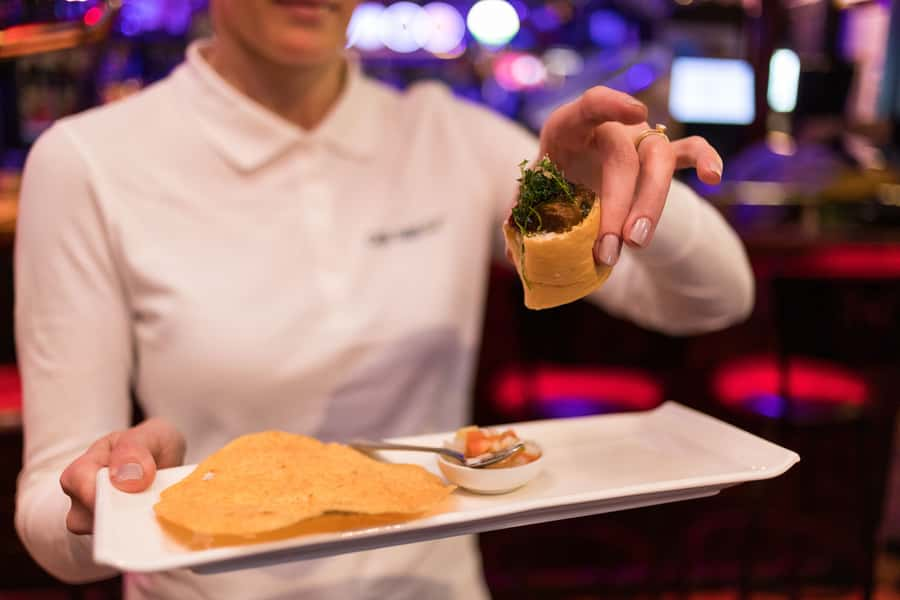
A coffee presentation and pairing is included early in the experience. Coffee can sound like a minor stop beside beer and gin, but it gives the guide a chance to explain how Cape Town approaches familiar drinks with local character and food in mind.
Next comes bobotie with bubbles, a pairing that shows the tour’s playful side. Bobotie is warm, spiced, and filling, while sparkling wine provides a bright contrast. You are not just being handed food. You are encouraged to notice how texture, spice, sweetness, and acidity work together.
This is one of the tour’s strengths. You get small portions from several food traditions, then have a guide explain what you are tasting and why it matters. That format is more useful than ordering one large local dish without context, especially if you are new to South African food.
If you have food allergies, contact the local partner immediately after booking. Vegetarian and non-alcoholic options are available, but allergies require advance attention. Do not assume every tasting can be changed at the last minute.
Walking through De Waterkant and Green Point
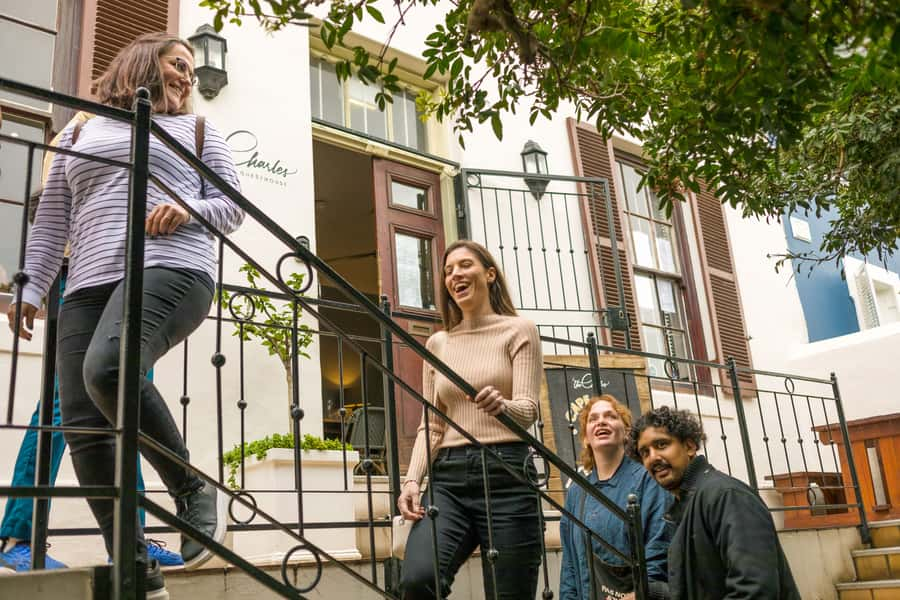
The route continues through De Waterkant and Green Point before reaching the Waterfront. These walks are not empty gaps between meals. They are part of the city lesson.
Cape Town’s architecture changes as you move between areas, and the guide points out the details that are easy to miss on your own. You might hear how trade, colonial rule, forced removals, and apartheid affected the city’s streets and communities. The tour presents these subjects alongside food, which makes the past feel connected to the places under your feet.
There is also a social side to the walk. Groups are generally small enough to stay together, with one reported group of nine and another of eight. That size suits a food tour well. You can hear the guide, ask questions, and chat with people from other countries without feeling lost in a crowd.
The walking is split between tasting locations rather than being a nonstop two-mile march. Still, comfortable shoes are essential. High heels are not allowed, and the tour is not suitable for wheelchair users or people with limited mobility. Bring sunscreen, too, since parts of the route take place outdoors.
Same city, a different plate:
- Ho Chi Minh City Street Food Tour & Sightseeing By Motorbike
★ 5.0 · 9,413 reviews - From Split: Krka Waterfalls, Food & Wine Tasting Tour
★ 5.0 · 9,326 reviews - Medellin: Comuna 13 Graffiti Tour, Cable Car & Street Food
★ 4.8 · 9,046 reviews - Montserrat Half-Day Tour with Tapas and Gourmet Wines
★ 5.0 · 7,359 reviews
Beer, food pairings, and Cape Town’s modern side
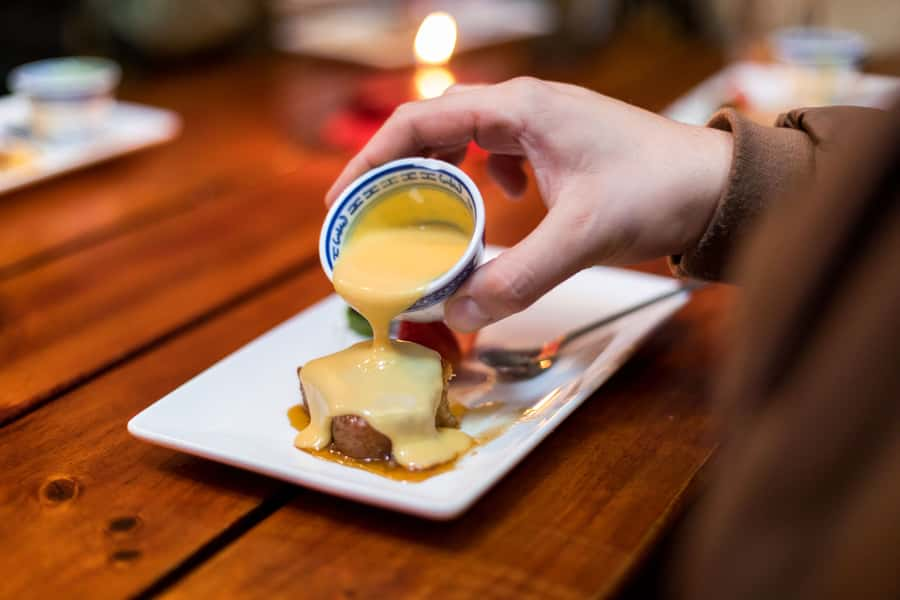
Three beer tastings with a three-way food pairing form one of the more substantial parts of the route. This is a good counterpoint to the Cape Malay dishes. You get to see how Cape Town’s current craft-drink scene fits alongside older food traditions.
The pairing format also keeps the tasting from becoming a string of unrelated sips. Each beer has food alongside it, giving you a chance to compare flavours rather than simply drink three samples in succession.
Alcohol is not the only point of the experience. Non-alcoholic choices are available, and the wider tour includes rooibos tea and other drinks. If you do not drink, tell the local partner after booking so the arrangements are clear.
The food can add up. One person found the amount almost excessive, while another described the portions as enough to taste each item without becoming too full for the next stop. I would plan this as a late breakfast or lunch replacement, not as an appetizer before a big meal.
That said, the steady rhythm works for many people. You eat, walk, hear a story, and then reach the next stop with enough appetite left to enjoy it. The walking helps, but do not expect to finish hungry.
Fynbos ice cream and Inverroche gin
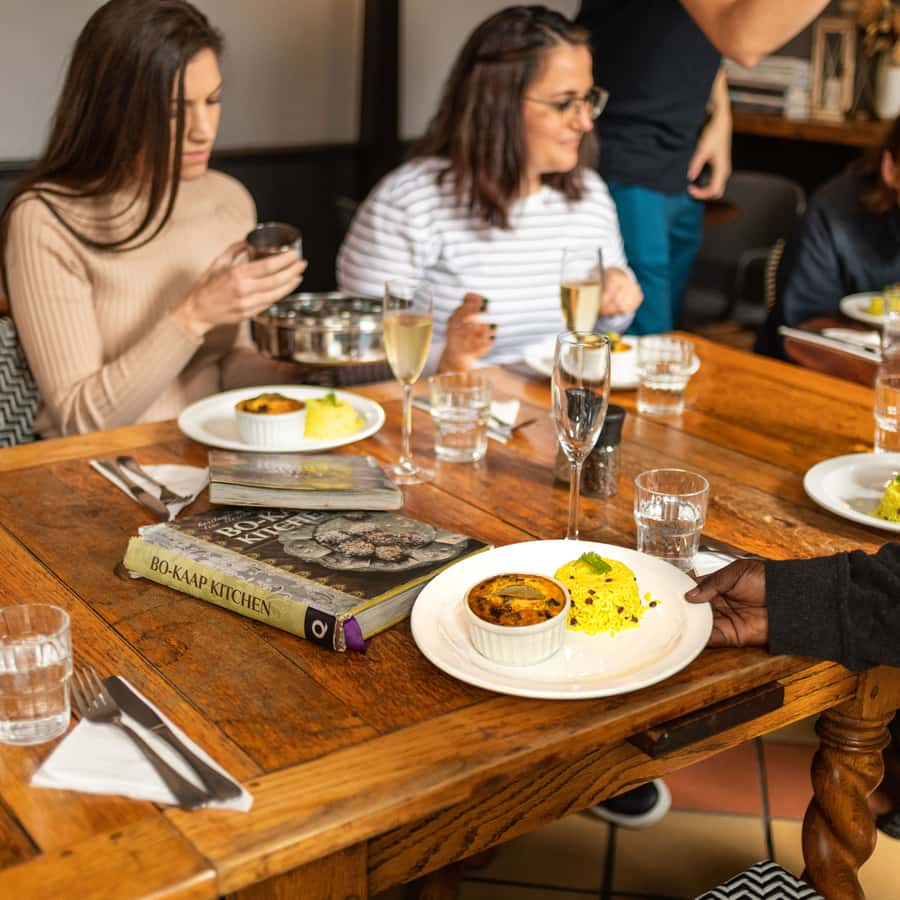
The craft ice cream infused with fynbos gives the tour a distinctly South African finish to the sweet side of the menu. Fynbos refers to the native plant vegetation associated with the Western Cape, and its inclusion shows that local flavour is not limited to savoury Cape Malay dishes.
This stop is likely to appeal to anyone who enjoys unusual ice cream flavours, but it also makes a useful point about place. A dessert flavoured with local botanicals connects the tasting to the Cape rather than presenting a generic international sweet.
The Inverroche gin tasting shifts the mood again. Inverroche is a South African gin brand known for using fynbos botanicals, so the gin and ice cream stops have a natural link. You get another way to notice the plants and aromas associated with the region, this time in a drink.
The drinks list is generous for a four-hour walk: coffee, bubbles, beer, gin, rooibos, and non-alcoholic choices. If you are sensitive to alcohol or want to enjoy every tasting slowly, pace yourself and make use of the alternatives.
What the guides add between the stops
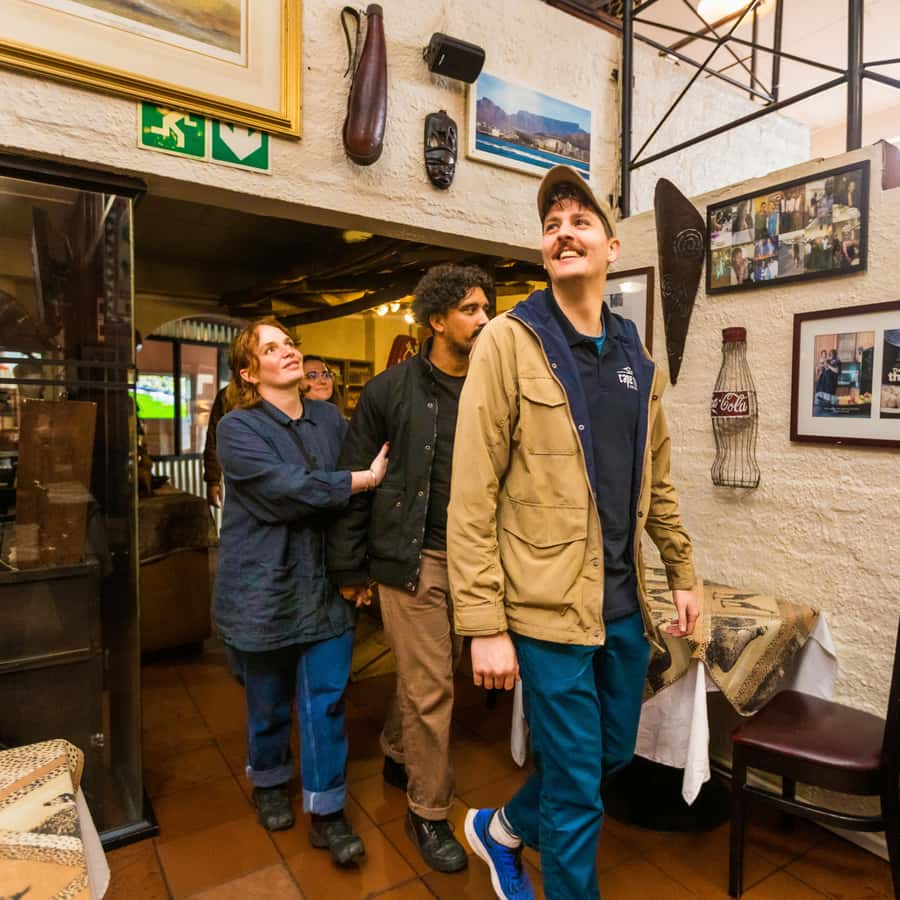
A food tour rises or falls on its guide. Here, the guide is not simply a person who leads you from one address to another. The best part of the role is tying together food, buildings, trade, politics, and personal stories.
Justin is repeatedly singled out for his humour, energy, and ability to explain both food and local history. One particularly useful detail is that he lives in Bo-Kaap, giving him a personal connection to the starting neighbourhood and its food traditions.
Olivia is also praised for making the group feel welcome while explaining the city and its culture. Marianne is described as strong on the area’s history and the food itself. You cannot choose your guide in advance based on the available information, but these names give you a good sense of the standard to expect.
The group atmosphere is another plus. A few hours of shared food makes it easy to talk with people from different countries, and the walk gives those conversations time to develop. If you prefer a private, quiet tasting, this is not that kind of outing. It is social by design.
Is $134 good value?
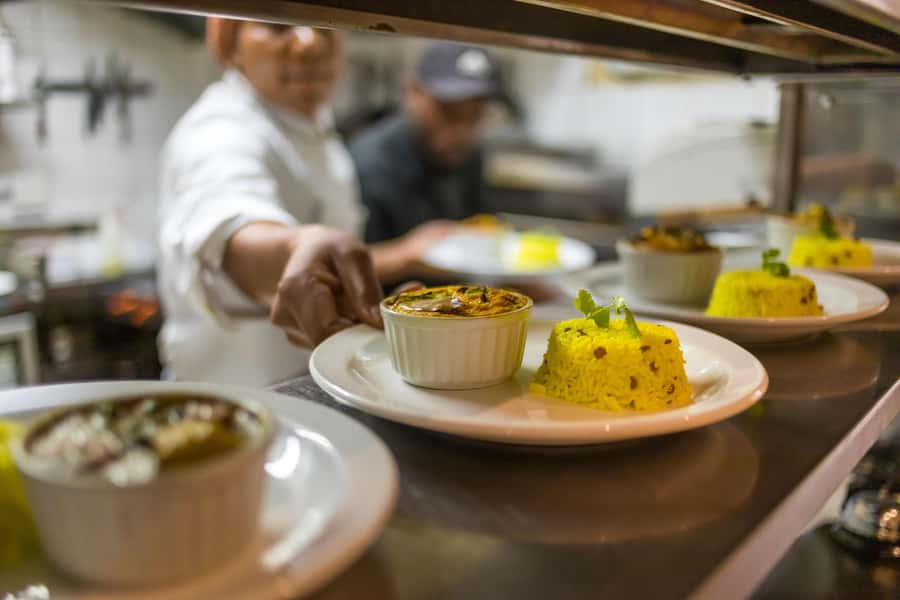
At $134 per person, this is not a cheap snack walk. The value comes from the combination of food, alcohol, several neighbourhoods, and four hours of guided context.
You receive a coffee presentation and pairing, bobotie with bubbles, three beers with a three-way food pairing, fynbos ice cream, and an Inverroche gin tasting. Additional food and drink are not included, so the listed tastings are the core value of the booking.
The tour also saves you from guessing which local dishes to order and where to find them. A good guide can point out foods you might otherwise miss, explain unfamiliar names, and help you understand the difference between a dish’s ingredients and its cultural meaning.
I would consider the price fair for someone who wants a food-focused introduction rather than a basic sightseeing walk. It is less appealing if you are mainly looking for a cheap meal, since you pay for the guide, the route, the pairings, and the wider story as well as the food.
Who should book this experience?
This tour suits first-time visitors who want a broad introduction to Cape Town in a single afternoon or morning. It is also useful if you have only one free day and want your first look at Bo-Kaap, De Waterkant, Green Point, and the Waterfront tied together by a clear theme.
Food lovers will get the most from the variety. You should enjoy trying unfamiliar dishes and be open to both traditional and modern flavours. The route is also a good fit for people who like history but do not want to spend four hours inside a museum.
Families can book it for children aged two and over, but the food and walking may be tiring for very young children. Unaccompanied minors are not permitted. The experience is not suitable for wheelchair users, people with mobility impairments, people with respiratory issues, or anyone over 264 pounds, or 120 kilograms.
Tours operate in all weather unless wind and rain become severe. Wear comfortable shoes, bring sunscreen, and plan for outdoor walking. The guide will contact you if the tour is cancelled.
Practical booking advice
You can cancel up to 24 hours before the tour for a full refund, and you can reserve now while paying later. That flexibility helps if your Cape Town schedule depends on weather or other day trips.
Check the start time when booking, since the four-hour tour has different available departures. Arrange your own transport to Bo-Kaap Deli and allow a little extra time to locate the meeting point.
The tour is conducted in English. Tell the local partner about dietary needs and allergies immediately after booking, even though vegetarian and non-alcoholic choices are available.
Should you book the Cape Town Essentials Food and Drink Tour?
Book it if you want a social, food-led introduction to Cape Town with enough walking to connect the neighbourhoods. The strongest reasons are the range of tastings, the links between food and difficult history, and guides such as Justin and Olivia who make the material easy to follow.
Skip it if you dislike group activities, cannot walk around two miles, or want a single relaxed restaurant meal. Also think twice if you have a small appetite, since the combination of dishes and drinks can feel substantial.
For most able-bodied food lovers, this is a smart early-Cape-Town experience. You leave with a fuller stomach, a better sense of the city’s layout, and a list of dishes and drinks worth seeking out again.
FAQ
How long does the Cape Town Essentials Food and Drink Tour last?
The tour lasts four hours.
Where does the tour begin?
It begins inside Bo-Kaap Deli. Look for the guide at the door or inside the deli.
Which Cape Town areas does the tour visit?
The walking route includes Bo-Kaap, De Waterkant, Green Point, and the V&A Waterfront.
What food and drinks are included?
Included tastings are a coffee presentation and pairing, bobotie with bubbles, three beer tastings with a three-way food pairing, fynbos-infused craft ice cream, and an Inverroche gin tasting.
Is hotel pickup included?
No. Transportation to and from the tour is not provided.
Is the tour available in languages other than English?
The live tour guide speaks English, and English is the listed tour language.
Can I book now and pay later?
Yes. You can reserve a place and pay later to keep your plans flexible.
What is the cancellation policy?
You can cancel up to 24 hours in advance for a full refund.
Is the tour suitable for people with limited mobility?
No. The tour includes about two miles of walking split between tasting locations and is not recommended for people with limited mobility. It is also not suitable for wheelchair users.
Can the tour accommodate dietary preferences?
Vegetarian and non-alcoholic options are available. If you have food allergies, contact the local partner immediately after booking.
Fresh off the menu around the world
- Taste of Chiang Mai: Michelin Guide & Street Food Tour★ 4.9 · 159 reviews
- Eat Porto Like a Local: The Ultimate Full-Meal Food Tour★ 5.0 · 97 reviews
- Vienna: The Ultimate Full Meal Austrian Food Tour★ 4.8 · 112 reviews
- Jerez: Traditional Tapas Tour★ 4.6 · 138 reviews
- Taste my Fribourg Self-Guided Food Tour★ 4.5 · 29 reviews
- Taste of Albania: Tirana Food Tour★ 5.0 · 26 reviews
- Taormina Pizza making class★ 4.8 · 140 reviews
- Taormina: Pizza Making Class with Lunch and Wine Tasting★ 4.8 · 145 reviews
Food Tours, compared.
Reykjavik Food Walk – Local Foodie Adventure in Iceland
Read our review →
Dubai: Old Town, Creek, Museums, Souks, & Street Food Tour
Read our review →
Madrid: Live Flamenco Show with Food and Drinks Options
Read our review →
Ho Chi Minh City Street Food Tour & Sightseeing By Motorbike
Read our review →
From Split: Krka Waterfalls, Food & Wine Tasting Tour
Read our review →
Medellin: Comuna 13 Graffiti Tour, Cable Car & Street Food
Read our review →
Montserrat Half-Day Tour with Tapas and Gourmet Wines
Read our review →