
Review · FRANCE
Burgundy Wines Full-Day Tasting Tour from Dijon
Burgundy’s wine country is best understood from the road, where tiny villages, celebrated vineyard plots, and stone cellars fit together like pieces of a very expensive puzzle. This full-day trip from Dijon takes you through the Côte de Beaune and Côte de Nuits, with up to 10 white and Pinot noir wines along the way.
I like the small group size, limited to eight people, and the mix of serious wine education with ordinary Burgundy pleasures: a hilltop view, a family cellar, Beaune’s old streets, and a taste of local mustard. Guides such as Tom, Anna, Max, and Pierre have been praised for making the subject clear and entertaining, even for beginners.
The main consideration is pace. Seven hours covers a lot of ground, and your free time in Beaune must include lunch, shopping, and sightseeing. The tour also needs at least four participants to operate, so keep that in mind when planning tightly around train connections.
Key points to know before you book
- Ten tastings across Burgundy: Expect a mixture of red Pinot noir and white wines, including Premier Cru examples and, depending on the day, highly rated regional bottles.
- Two famous wine areas in one day: The route includes the Côte de Beaune and Côte de Nuits, with vineyard views around Corton, Vosne-Romanée, and other celebrated villages.
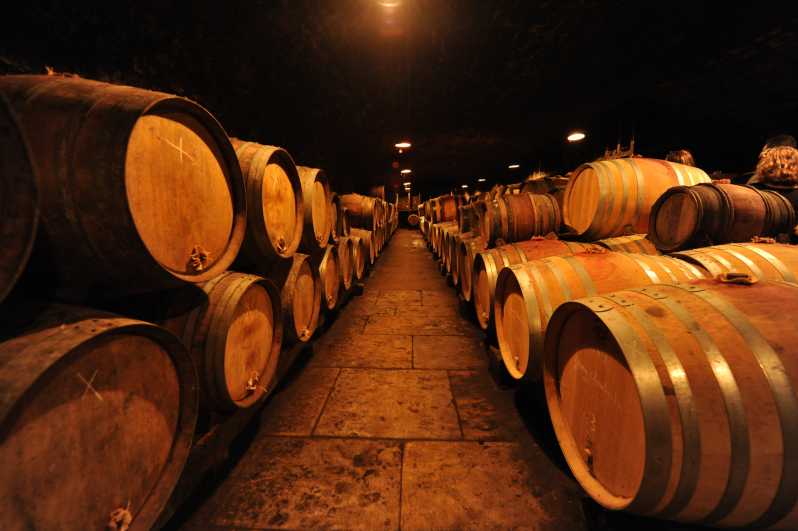
- A working family estate: You visit a boutique winery, see oak barrels and older bottles, and learn how Burgundy wine is made and aged.
- Beaune at midday: You get free time for lunch, mustard tasting, local shopping, or a walk through the historic center.
- A real small-group feel: Transportation, tastings, and entrance fees are included, with no more than eight participants.
- Strong value for wine beginners: The guide explains soil, growing conditions, village names, and wine styles without requiring prior knowledge.
Why this Burgundy tour works from Dijon
At $171 per person, this is not a budget bus ride, but it covers the parts that make Burgundy difficult to manage independently: transport between scattered villages, winery access, a wine specialist, tasting fees, and the return trip to Dijon.
Burgundy is not arranged like a single large wine park. Many producers work on a small scale, and cellar visits often require advance arrangements. You will not simply pull over at every attractive vineyard sign and taste a flight of wines. A local guide is useful here, especially if you want to compare the Côte de Beaune and Côte de Nuits in one day.
I see the price as fair for a visitor who wants a structured introduction rather than a self-guided drive. It becomes better value if you are interested in both wine and place. The day gives you vineyard views, a town visit, a cellar tour, and guidance on local food and wine, not just glasses at a tasting room.
The group limit matters, too. With up to eight people, you can ask questions without shouting across a coach. The trade-off is that the tour depends on a minimum of four bookings, and the operator may offer a different date or a refund if that number is not reached.
More full days of eating around France:
- Bordeaux Full Day Wine Tour – 3 Wineries & Gourmet Picnic Lunch
★ 5.0 · 307 reviews - From Bordeaux: Full-Day St Emilion Wine Tasting Tour
★ 4.8 · 280 reviews - Madrid: Full-Day Guided Tour of Toledo with Cathedral Visit
★ 4.6 · 647 reviews
Meeting in Dijon at 9:45 AM
The starting point is Maison Divia at 16 Place Darcy, near the red English phone booth. The tour leaves at 9:45 AM and returns to Dijon at about 5:30 PM, giving you a full but manageable day outside the city.
Arrive with enough time to locate the meeting point. Place Darcy is central, but a clear morning is useful because the first stop is not just a tasting. The route heads toward the vineyards and the Corton hills, where the views begin to explain why Burgundy has such a strong sense of place.
Transportation is included, so you can taste without worrying about driving. Water has been provided on some departures, and one earlier group was also offered croissants at the first stop. Those extras should not be treated as guaranteed, but they show how much the day can benefit from a friendly guide who pays attention to comfort.
The tour is wheelchair accessible, according to the supplied details. Pets are not allowed.
Corton hills and the Côte de Beaune
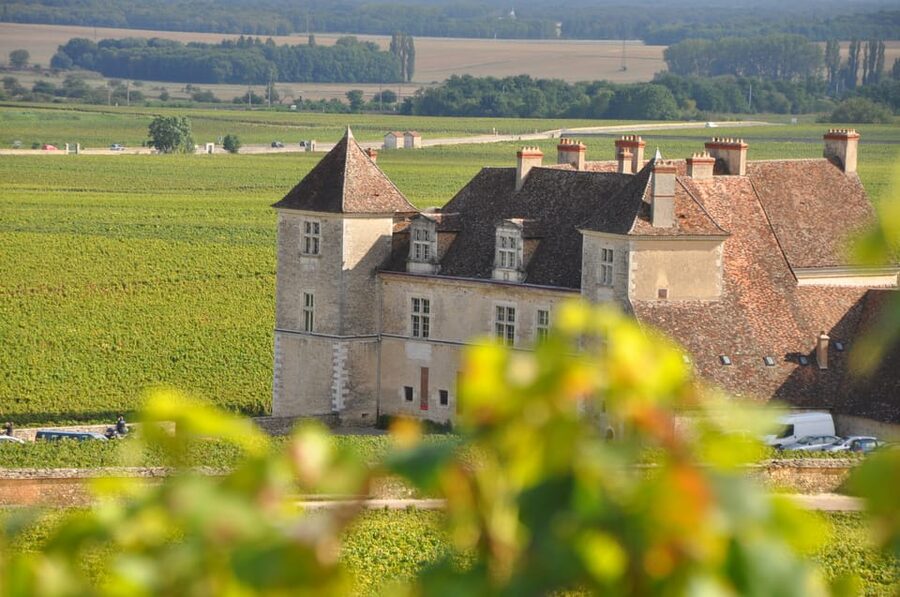
One of the first visual highlights is the view over the Corton hills in the Côte de Beaune. This area is famous for both red and white Grand Cru wines, and seeing the slopes in person gives useful context before the tastings begin.
Burgundy labels can feel bewildering when you first encounter them. The same grape may produce very different wines depending on the village, vineyard plot, soil, and position on the slope. A stop above the vineyards helps turn those abstract terms into something you can see.
The guide may point out how plots sit beside one another and why a small change in location can affect a bottle’s name and price. This is one of the most useful parts of the day for a beginner. You are not simply told that terroir matters. You are shown the terrain that makes the idea meaningful.
The hill views also offer a welcome pause from cellar interiors. Bring comfortable shoes and a jacket suitable for the season. The countryside is the star here, and the tour may include short walks or outdoor viewing stops, depending on the route and conditions.
Tasting Burgundy’s reds and whites
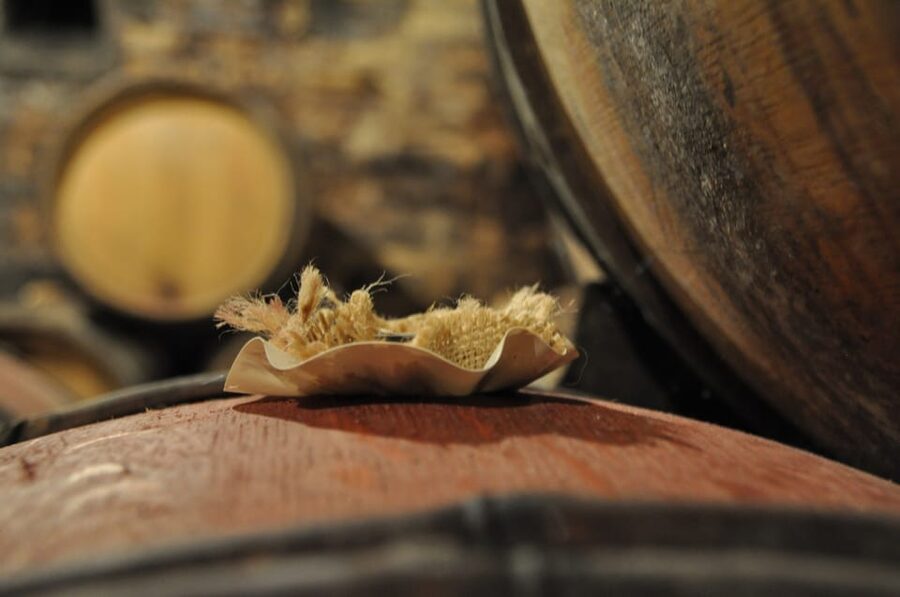
The tasting program includes up to 10 wines, with white wines and Pinot noir, plus Premier Cru examples. One detailed account described four whites and six reds tasted at two wineries, though the exact lineup can change.
That variety is important. A tour focused only on prestigious reds might leave you with a narrow picture of Burgundy. Here, you get a chance to compare the region’s white wines with its classic reds and see how the same broad area produces very different styles.
The tasting is designed as a lesson as much as a drink. Guides explain wine types, local names, soils, growing conditions, and the way Burgundy producers work. Tom has been praised for combining detailed knowledge of the Côte de Nuits and Côte de Beaune with humor, while Anna has been singled out for answering questions well beyond wine. Max, Pierre, Laurent, Jeremy, and other guides have also led departures praised for clear explanations and strong local insight.
Do not expect every tasting to include a Grand Cru. One participant found the number of top-tier wines disappointing, with only one Grand Cru among 12 samples on that particular day. That is a fair caution. The tour promises up to 10 prestige wines and includes Premier Cru wines, but it does not promise a specific Grand Cru lineup.
The more useful goal is comparison. You are learning how wines from nearby areas differ, not simply collecting famous labels. If you are already an expert seeking rare bottles, the tasting may feel less targeted. If you are new to Burgundy, the range should be far more helpful.
More food tours around France:
- Authentic Parisian Gourmet Food Tour with 10 Local Dishes & Wines
★ 5.0 · 4,754 reviews - Montmartre Hill French Gourmet Food and Wine Tasting Walking Tour
★ 5.0 · 2,588 reviews - Devour Paris Ultimate Food Tour
★ 5.0 · 2,087 reviews - Private Montmartre Food Tour with Wine, Cheese & Pastries
★ 5.0 · 1,027 reviews
Inside a family-run wine estate
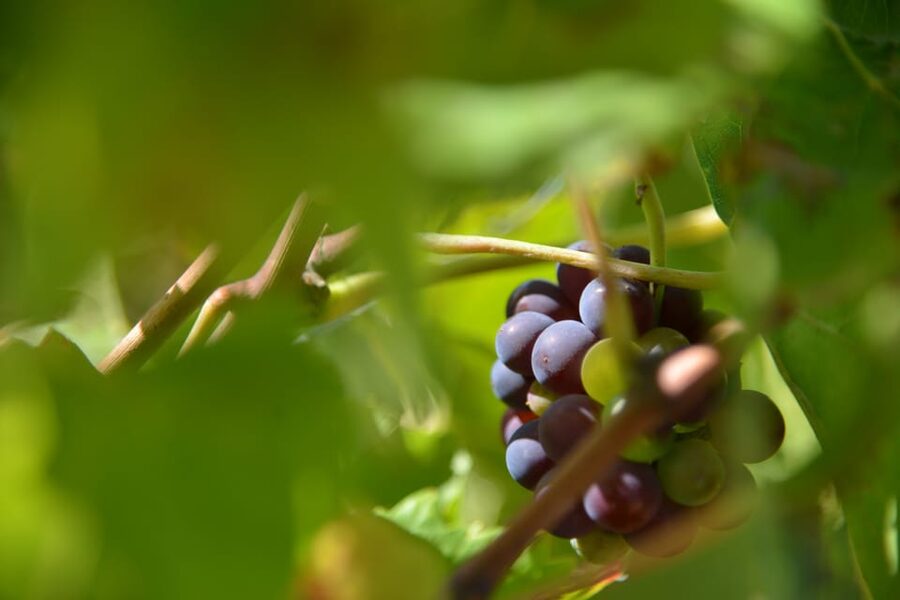
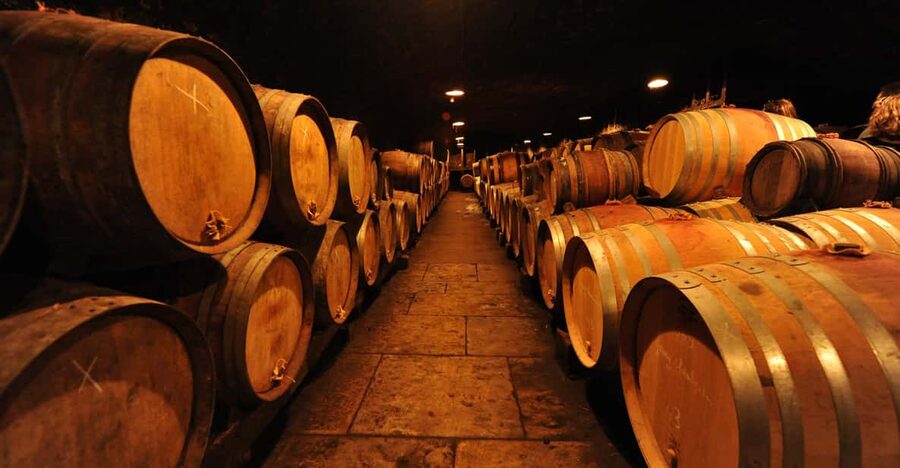
The visit to a family-run estate adds a human scale that large commercial tasting rooms often lack. You see the cellar, oak barrels, and older wines while hearing how the winemaking process works from people connected to the local trade.
This matters because Burgundy is a region of small producers and tightly defined vineyard parcels. The cellar helps connect the bottle to the work behind it: aging, storage, vintage variation, and the patient decisions that shape the finished wine.
The estate is described as a boutique operation, so do not expect a grand visitor center or a long museum-style presentation. The appeal is the chance to see a working cellar and ask practical questions. Your guide translates the technical points into something you can use later when choosing a bottle.
This is also where the tour’s local access becomes valuable. Independent visitors can find excellent wines in Dijon and Beaune, but arranging several tastings across rural Burgundy is harder than it looks. A prearranged visit saves time and gives the day a clear purpose.
Driving through the Côte de Nuits
After seeing the Côte de Beaune, the route reaches the Côte de Nuits, the northern stretch of Burgundy’s celebrated wine country. You wander among the vines and pass through villages tied to some of the world’s most expensive Pinot noir.
One especially memorable route detail is the chance to pass near the Romanée-Conti vineyard and stop at a viewpoint above Vosne-Romanée. Access and exact stops can vary, but the area itself is a key part of the experience.
Even if you never buy a bottle from these famous plots, seeing them makes Burgundy’s reputation easier to understand. The vineyards are not isolated attractions. They sit beside roads, villages, walls, and modest farm buildings, creating a working countryside rather than a theme park built around wine.
The Côte de Nuits section is also helpful if you are trying to understand why Burgundy labels can be so specific. Your guide can explain the difference between a broad regional wine, a village wine, a Premier Cru, and a Grand Cru. That vocabulary is useful when you shop in Beaune or Dijon later.
Two hours in Beaune
Beaune is the day’s cultural and practical center. Known as Burgundy’s wine capital, the town gives you a break from the vehicle and a chance to eat, browse, and explore at your own speed.
You get free time for lunch, usually around two hours according to one detailed account. The guide can recommend places to eat and suggest what to order. One couple found an atmospheric wine-cellar restaurant called Le Conty, but you should treat that as a useful lead rather than a fixed part of the tour.
The free time is a strong feature because it prevents the day from becoming one long sequence of tastings. You can sit down for a proper meal, walk through the old town, or browse shops selling regional goods.
Beaune’s local specialties include mustard, blackcurrant liquor, honey spice cake, and Flavigny aniseed. If you want to learn more about mustard, you may have time for La Moutarderie Fallot, a traditional mustard maker. Check your available time with the guide before committing to a longer visit, since lunch and sightseeing compete for the same window.
The phrase Champs-Elysées of Burgundy refers to a pleasant, polished stretch of Beaune associated with the town’s wine life. The exact appeal is not simply grand architecture. It is the concentration of wine merchants, food shops, old streets, and local products within an easy walking area.
Bring a plan, but do not overpack it. Beaune is best enjoyed with enough time to stop for food and wander. Trying to fit a museum, a long lunch, mustard production, and extensive shopping into two hours would make the break feel rushed.
What the guides add
The strongest thread running through the tour is the guide. This is not a self-running route where the scenery has to carry the whole day.
Guides named in past departures include Tom, Anna, Max, Pierre, Laurent, Jeremy, Thomas, Sebastian, Mario, and Hubert. The guide assigned to your date may be different, but the role remains important: explain the region, manage the tastings, keep the day moving, and make Beaune useful rather than confusing.
The best guides make technical wine talk approachable. They explain why a plot matters, how a producer works, and what you should taste in the glass. They also connect wine with Dijon’s food, history, and local customs.
This is especially useful if you are new to wine. You do not need to arrive knowing the difference between village and Premier Cru wines. The tour is suited to beginners, while experienced drinkers can ask more detailed questions about terroir, vintages, and producers.
The only limitation is personal fit. A lively guide can make the day fun, but a group with very different interests may require some compromise. Some people want a long cellar discussion; others want more time in Beaune. The small group helps, but it cannot remove that basic trade-off.
Timing, comfort, and practical value
Seven hours is enough time to see the major parts of the route, but it is not enough for every village and winery in Burgundy. The schedule works because it combines short scenic stops, tastings, a cellar visit, and one substantial town break.
Wear shoes suitable for walking on uneven surfaces and dress for changing weather. The tour includes outdoor vineyard views as well as indoor cellar time. You should also plan to eat breakfast before departure, since lunch is not included and comes during the free time in Beaune.
The transportation is one of the tour’s quiet advantages. You can focus on the views and tastings rather than navigating rural roads. It also removes the question of who will drive after ten samples.
Cancellation is flexible up to 24 hours before departure for a full refund, and you can reserve without paying immediately. Starting times should be checked when booking, although the stated departure is 9:45 AM and the return is around 5:30 PM.
Who should book this Burgundy day trip?
I would choose this tour if you are staying in Dijon, want a clear introduction to Burgundy wine, and prefer a small group to a large coach. It is especially good for couples, friends, and families with older children who enjoy food, scenery, and a little structured learning.
It suits first-time Burgundy visitors very well. You see both major wine areas, visit a family estate, taste a broad range of wines, and get independent time in Beaune. That is a lot of regional context in one day.
I would be more cautious if your sole goal is access to rare Grand Cru bottles. The wine selection changes, and the program does not guarantee a particular label. Serious collectors may prefer a private, producer-focused itinerary with fewer stops and more time at each estate.
For most people, though, $171 buys a useful and enjoyable introduction to Burgundy without the stress of arranging rural transport. Book it if you want to understand the region, not simply drink the most expensive wine available.
FAQ
How long is the Burgundy wine tour from Dijon?
The tour lasts seven hours. Departure is at 9:45 AM, with an expected return to Dijon at approximately 5:30 PM.
Where does the tour meet?
Meet at Maison Divia, 16 Place Darcy, 21000 Dijon, near the red English phone booth.
How much does the tour cost?
The listed price is $171 per person.
How many people are in the group?
The tour is limited to eight participants, making it a small-group experience.
What wines will I taste?
You can taste up to 10 wines, including white Burgundy wines and Pinot noir. The program includes Premier Cru wines, though the exact bottles can change.
Does the tour include a Grand Cru wine?
A Grand Cru is not guaranteed. The tastings include prestige wines and Premier Cru examples, but the precise selection depends on the day.
Is lunch included?
No. Lunch is not included. You have free time in Beaune to choose and purchase your own meal, with recommendations from the guide.
What can I do in Beaune?
You can eat lunch, walk through the old town, visit La Moutarderie Fallot, or shop for local products such as mustard, blackcurrant liquor, honey spice cake, and Flavigny aniseed.
Is the tour offered in English?
Yes. Live guiding is available in English and French.
Is the tour wheelchair accessible?
The activity is listed as wheelchair accessible. Pets are not allowed.
Can I cancel the booking?
You can cancel up to 24 hours in advance for a full refund. Reserve now and pay later is also available.
What happens if the tour does not reach four participants?
At least four participants are required for the tour to operate. If that minimum is not met, you may be offered another date or a full refund.
Fresh off the menu around France
- Strasbourg: Traditional Food Walking Tour with Tastings★ 4.8 · 219 reviews
- Strasbourg Food Tour : Gourmet Tour with tastings★ 4.7 · 73 reviews
- Strasbourg: 2-Hour Gourmet Walking Tour★ 4.1 · 39 reviews
- Strasbourg: Culinary Tour★ 4.5 · 43 reviews
- Sarlat Gourmet Tour & Market Visit with Tastings★ 4.6 · 57 reviews
- From Bordeaux: Saint-Emilion Wine Tasting Tour★ 4.8 · 24 reviews
- Saint-Emilion: Grand Cru Classé Gourmet Visit★ 4.5 · 60 reviews
- Passy-Grigny: Chocolate and Champagne Tasting Tour★ 4.8 · 284 reviews
France Food Tours, compared.
Bateaux Parisiens Seine River Gourmet Dinner & Sightseeing Cruise
Read our review →
Authentic Parisian Gourmet Food Tour with 10 Local Dishes & Wines
Read our review →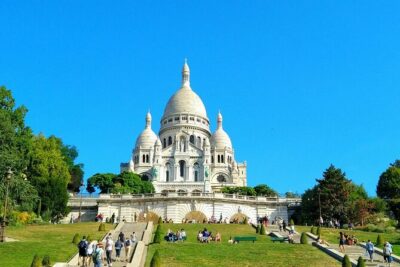
Montmartre Hill French Gourmet Food and Wine Tasting Walking Tour
Read our review →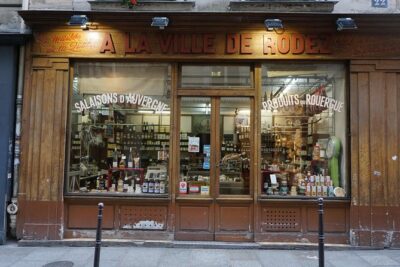
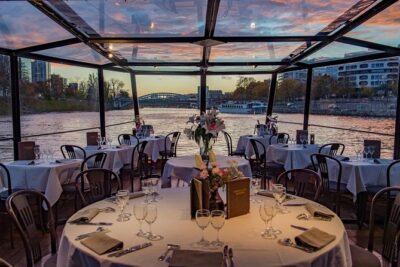
Paris 3-Courses Gourmet Dinner Seine River Cruise with Champagne
Read our review →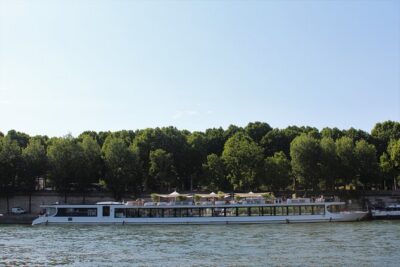
Paris Gourmet Dinner Seine River Cruise with Singer and DJ Set
Read our review →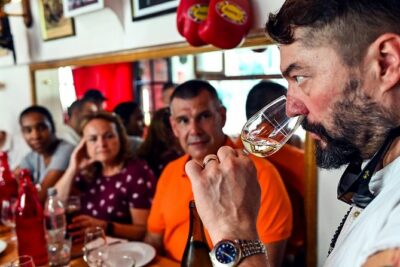
Private Montmartre Food Tour with Wine, Cheese & Pastries
Read our review →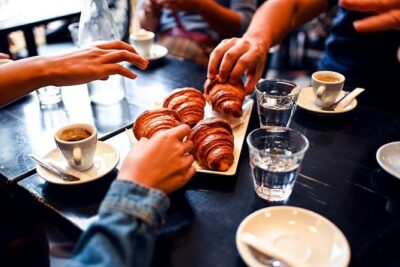
Paris Le Marais Food Tour With 10+ Tastings, Cheese, Wine & More
Read our review →Browse the lists this tour appears in