
Review · SEVILLE
Seville: Flavors of Andalucía Guided Food Tour with Tastings
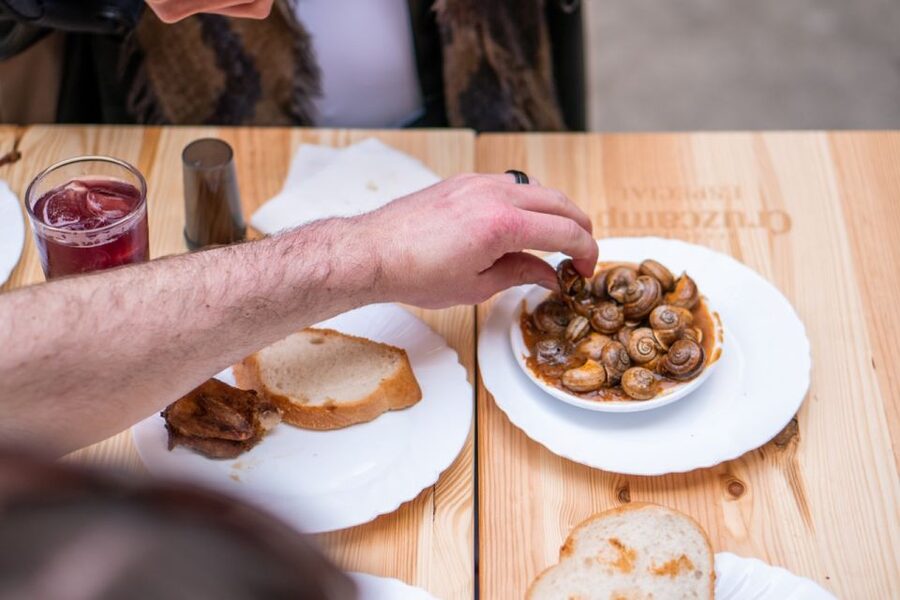
Triana’s food is the star here, but the real pleasure is finding the small local bars you might walk past without a second look. You’ll try traditional tapas, dry sherry, wine, and unusual dishes such as roast quail, snails, pringa, and pisto while your guide connects each bite to Seville’s past.
I like the tour’s local route through Triana and its willingness to serve food that is tasty rather than photogenic. I also like the generous, conversational guiding from people such as Fabio, Lucia, and Antonio. The main consideration is that this is a tasting walk, not a full sit-down meal, and the optional dessert may be handed over from a pastry shop rather than eaten together at a table.
Key points to know before booking
- Triana is the setting: Meet beside Puente Isabel II and explore a Seville neighborhood beyond the Cathedral area.
- Expect adventurous tapas: Depending on the day, tastings may include quail, snails, pringa, lentils, pisto, and other local specialties.
- Two bars are included: The standard experience includes tapas at two tapas bars or taverns, with a third stop available as an option.
- Drinks are part of the tour: Spanish wine, water or a soft drink, and tea or coffee are included, with specific tastings such as Manzanilla sherry or tinto de verano possible.
- The guide adds real context: Fabio, Lucia, Antonio, Paula, and other English-speaking guides bring together food, local customs, Seville history, and practical restaurant tips.
- Wear comfortable shoes: You’ll walk between stops for about 2.5 hours, so sensible footwear matters more than dressing up.
Starting beside Puente Isabel II
The tour begins on the old-town side of Seville, near the bridge called Puente Isabel II. Look for the churro stand named Churrería Los Especiales. This is a useful meeting point because the bridge leads directly into Triana, and the route can shift you quickly from central Seville sightseeing to a neighborhood food setting.
Bring comfortable shoes. The walk is not described as strenuous, but you will move between food stops and spend time on your feet. I would also avoid arriving stuffed. The tastings can add up to around six or seven dishes and two drinks, though the exact food depends on the bars and the guide’s choices that day.
The meeting point is easy to recognize, but give yourself time to locate the churro stand. Seville’s streets around the bridge can be busy, and a few extra minutes are better than beginning the tour in a rush.
More guided tastings around Spain:
- Madrid: Tapas & Wine Tasting Tour with Local Guide
★ 4.8 · 2,171 reviews - Malaga Wine & Tapas Small Group Guided Tour
★ 5.0 · 1,972 reviews - Barcelona: Guided Food Walking Tour with Tapas and Wine
★ 5.0 · 848 reviews
Why Triana changes the food story
Triana is more than a backdrop for tapas. The neighborhood has its own identity, and the tour uses food to explain how Seville and Andalucía developed their habits around eating, drinking, farming, and family life.
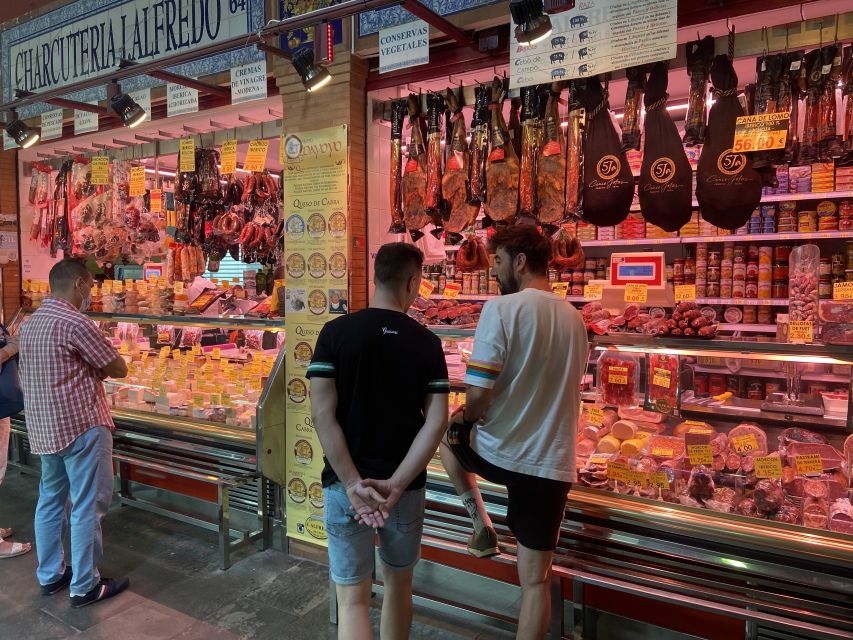
Your guide may point out food stalls, small restaurants, pottery shops, and local streets as you walk. The route is not simply a march from one restaurant to another. You get a short introduction to the neighborhood, then move through places that feel more connected to everyday local dining than to the main sightseeing circuit.
That is the strongest reason to book this experience early in your Seville stay. A guide can explain what you are seeing, help you understand the difference between a familiar Spanish dish and a regional version, and suggest places or dishes to try later. Guides such as Lucia and Antonio have also been praised for adding personal stories about Spanish family life and local customs.
You should not expect a full walking tour of every part of Triana. The emphasis remains food. The neighborhood history is there to give the meal meaning, not to replace a dedicated city tour.
The first tapas bar: traditional food and sherry
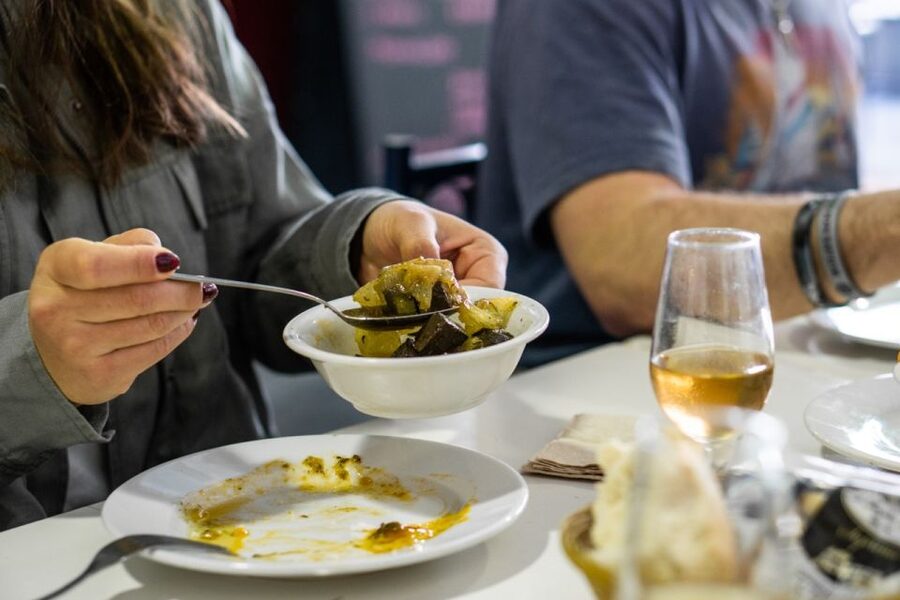
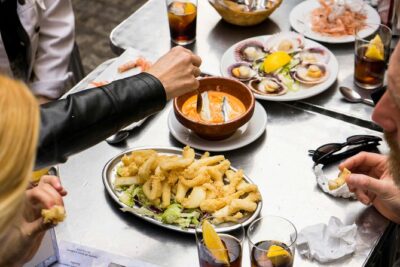
The first stop is usually a small, local-style bar or tavern where several dishes are shared. One tasting described three dishes with generous portions, including lentils. Other possible foods include pisto, a vegetable dish often associated with Spanish home cooking, and other simple preparations that show how much flavor can come from basic ingredients.
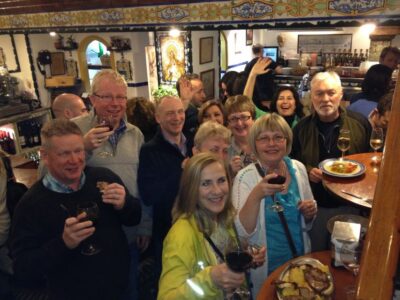
Drinks are an important part of the lesson. You may sample Spanish wine or a dry white sherry such as Manzanilla. The guide may explain how to drink it and how that changes the flavor. That small detail matters. Sherry can seem sharp or unfamiliar if you sip it without context, but the right food and serving advice can make it much more approachable.
This stop is a good fit if you want to understand Spanish food beyond the standard list of tortilla, croquettes, and patatas bravas. The dishes may not all be instantly familiar, but that is part of the point. You are not simply ordering the safest items from a menu.
The portions can be enough to satisfy you, yet I would still think of the tour as a series of shared tastings. If you want a large dinner, plan another meal later or choose an additional food option when booking.
The second bar: less polished, more interesting
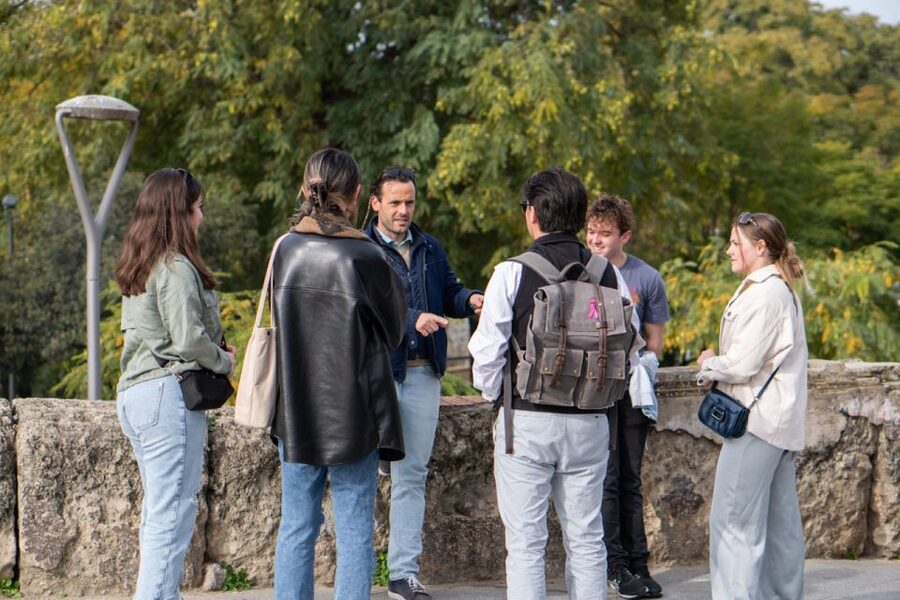
The second tapas bar is where the tour becomes more adventurous. The exterior may be plain, and it might not be the sort of place you would choose by looking at the door. That is precisely why the guide is useful. You can walk in with a local who knows what to order instead of judging the place by its appearance.
Possible tastings include roast quail, snails, and pringa, a strongly flavored mixture of cooked meats often served in a small sandwich. These dishes are not included to shock you. They show the practical, unfussy side of Andalusian cooking, where inexpensive or overlooked ingredients can become satisfying food.
The phrase ugly but delicious fits this part of the tour. Some dishes may look humble, dark, or unfamiliar, but their appeal comes from seasoning, cooking technique, and local tradition. If you are open to trying something new, this is likely to be the most memorable part of the walk.
You can also expect a drink such as tinto de verano, a refreshing mix of red wine and lemonade. It is lighter and more casual than a formal wine tasting, and it fits the relaxed bar-to-bar rhythm.
There is a small tradeoff here. If you are vegetarian, have major allergies, or dislike offal, shellfish, snails, or unusual meats, you should ask about accommodation before booking. The available information does not promise a set menu or list specific dietary substitutions.
More food tours around Spain:
- Madrid: Live Flamenco Show with Food and Drinks Options
★ 4.5 · 9,901 reviews - Montserrat Half-Day Tour with Tapas and Gourmet Wines
★ 5.0 · 7,359 reviews - Montserrat & Cogwheel Train, Gourmet Wine Tasting & Tapas/Lunch
★ 5.0 · 6,290 reviews - Barcelona: Tapas Walking Tour with Food, Wine, and History
★ 4.8 · 4,261 reviews
How much food and drink do you receive?
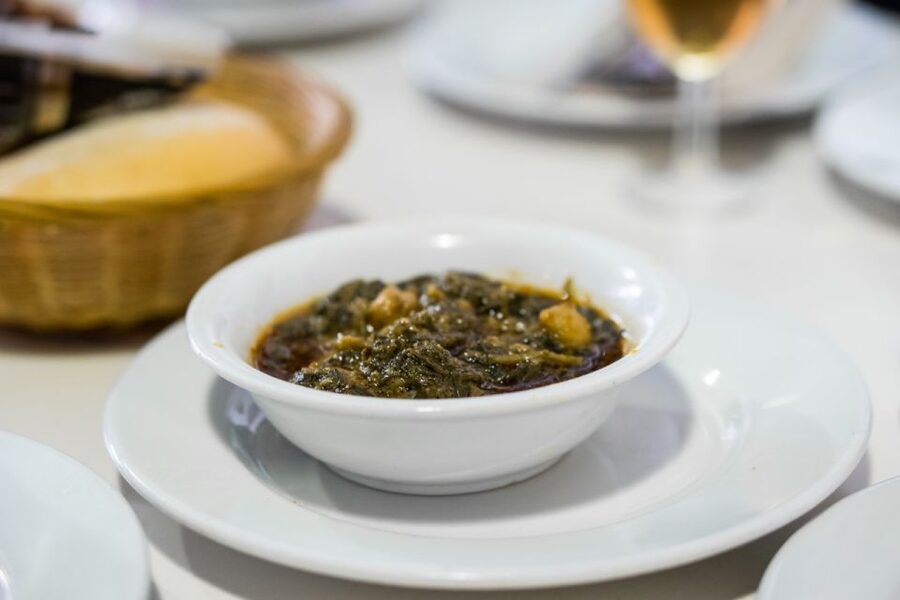
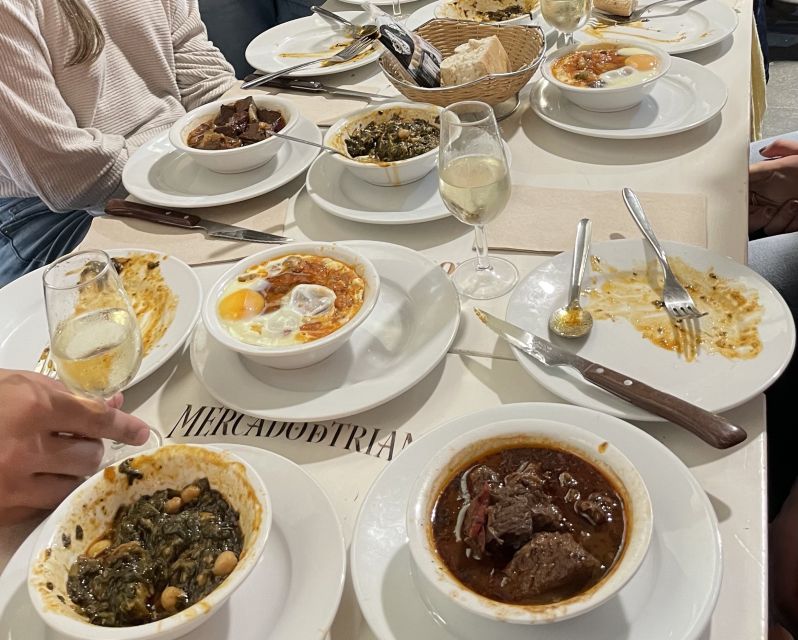
The standard tour includes tapas at two different bars or taverns, Spanish wine, water or a soft drink, and tea or coffee. Based on the tasting descriptions, you might receive about six or seven dishes and two drinks, though the exact selection can vary.
That is a solid amount for $35 per person. In central Seville, two drinks and several tapas can quickly approach that price, before paying for a guide or the neighborhood context. The value is strongest if you want to try dishes you would not confidently order alone.
The tour is less useful if your only goal is the cheapest possible lunch. You could spend less by ordering one or two tapas at a single bar. You are paying here for the route, the explanations, the introductions to unfamiliar food, and the chance to sample several places without guessing.
There are optional upgrades. You can select a third tapas bar, and some options include dessert and rooftop sangria. Check the option you choose carefully, since these additions are not part of every booking.
The optional dessert and rooftop sangria
The dessert add-on may sound like a natural final course, but the experience can be different from the seated tapas stops. One available description says the dessert may come from a pastry shop as something to take away, rather than a shared sit-down tasting.
That is not a serious problem if you want a sweet snack to enjoy later. It is worth knowing, though, if you picture everyone ending the tour around a table with dessert and coffee. The included tea or coffee is listed separately from the optional dessert.
Rooftop sangria is also an optional extra. Since it is not included in every version, compare the booking choices before paying. The standard tour already includes drinks, so you do not need the add-on to get a taste of Spanish wine culture.
The guides make the difference
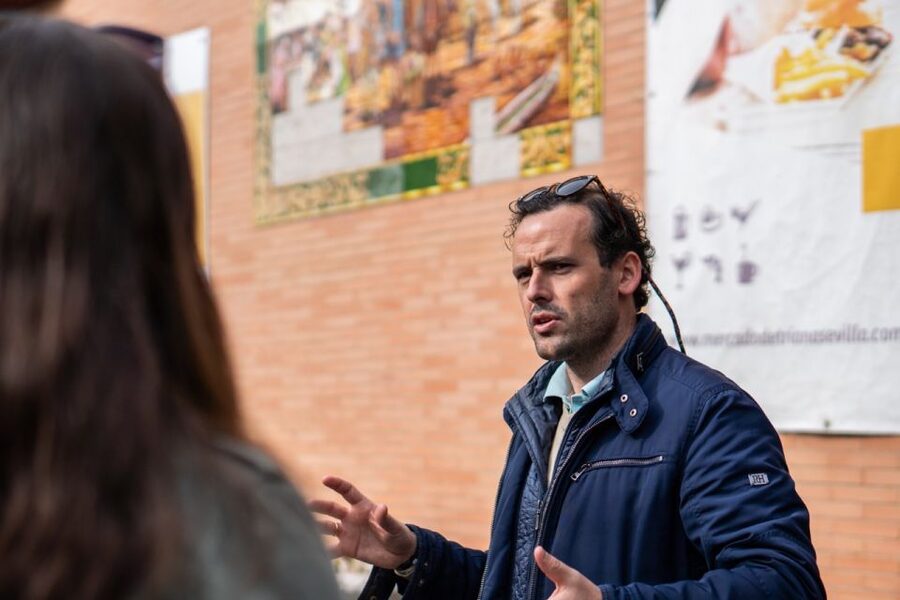
The guide is a major part of this experience. Fabio is often described as bringing together culinary detail, Seville history, and easy conversation. Lucia is praised for mixing food information with landmarks, local life, and useful suggestions for the rest of your trip. Antonio is known for explaining the long story of Seville through its food and wine.
Other guides include Paula, Judith, Fran, and others. The experience is conducted in English, and the guide’s role is not limited to translating a menu. You can expect explanations of ingredients, food origins, drinking customs, and the way regional dishes connect with Andalucía.
The style can vary by guide. Some sessions seem especially focused on history and cultural background, while others put more weight on food and personal recommendations. If you like a tour with plenty of talking, the context will be a plus. If you want to eat with little explanation, the pace may feel slower than expected.
A small group can make the experience feel personal, and some departures have been conducted with only one or two people. Group size is not fixed in the supplied details, so do not book on the assumption that you will have a private tour.
What makes the food feel genuinely local
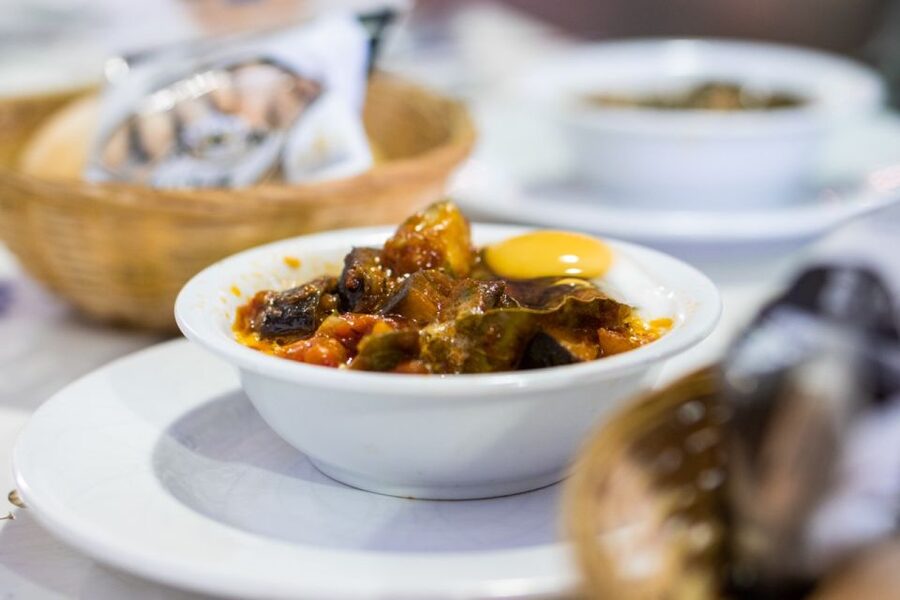
The food choices are the strongest part of this tour. You are not limited to the most famous tapas found on every Seville menu. Depending on the day, you could try lentils, pisto, quail, snails, pringa, and regional drinks such as Manzanilla and tinto de verano.
That variety helps you understand that Spanish food is not one uniform national cuisine. Andalucía has its own habits and flavors, and Seville’s dishes reflect local products, old cooking traditions, family meals, and the social role of the neighborhood bar.
I also like the way the tour treats simple food with respect. A dish does not need a perfect shape or an elaborate presentation to tell you something useful about a place. If you usually stick to familiar menu items, this is a friendly way to push yourself a little.
The experience is less suited to picky eaters who want control over every dish. The appeal comes from letting the guide choose or explain foods outside your normal order. You can ask questions, but you should come ready for a few surprises.
When to book and how to fit it into your trip
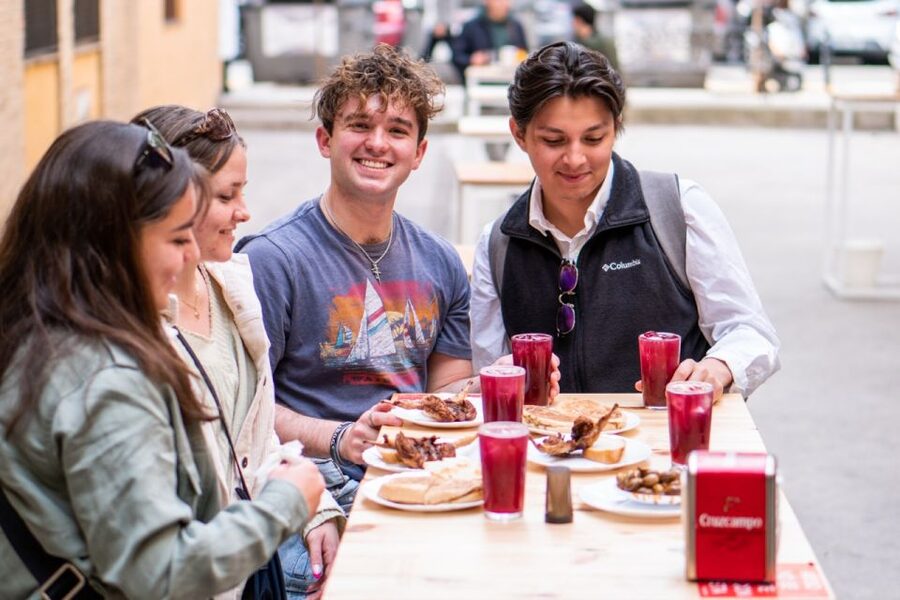
At 2.5 hours, the tour fits neatly into a morning, afternoon, or early evening. The available start times vary, so check the schedule before planning a museum visit or dinner afterward.
I would book it near the beginning of your Seville stay. You will leave with ideas for other dishes to order and suggestions for continuing your food exploration. Several guides also provide recommendations for restaurants and local specialties beyond the tour.
The tour works well for couples, friends, solo visitors, and parents traveling with an older child who is willing to try new foods. It can also be a good first activity in Triana if you have mostly stayed around the Cathedral and old town.
Plan your appetite sensibly. Eat a light snack earlier rather than arriving faint with hunger. The tour includes plenty of tastings, but it is not designed as one large meal at a single restaurant.
Cancellation, language, and practical details
The tour is led in English. It includes a walking route, a local guide, tapas at two bars, Spanish wine, and water or a soft drink. Tea or coffee is also included, while the third bar, dessert, and rooftop sangria depend on the option selected.
You can cancel up to 24 hours before the activity for a full refund. A reserve-now, pay-later choice is also available, which helps if your Seville plans are still shifting.
Wear comfortable shoes and keep your schedule flexible around the 2.5-hour duration. No special equipment is needed, and the meeting point is beside the Puente Isabel II bridge at Churrería Los Especiales.
Should you book this Triana food tour?
Book it if you want more than a checklist of famous tapas. The best parts are the local bars, the unusual dishes, the sherry and wine explanations, and the guide’s connection between Seville’s food and its past.
I would especially recommend it for a first visit to Seville, for anyone curious about Andalucía beyond paella, and for people who enjoy trying foods they would probably miss on their own. Fabio, Lucia, and Antonio have each brought a warm, informed style to the route, though the exact guide and menu can vary.
Skip it if you need a guaranteed menu, a formal multi-course dinner, or a fully seated dessert experience. For $35, though, it offers a useful mix of tastings, neighborhood walking, and local guidance. It is a practical way to get your bearings in Triana and a tasty excuse to explore beyond Seville’s postcard center.
FAQ
Where does the Seville food tour meet?
Meet at the churro stand called Churrería Los Especiales, on the old-town Seville side of Puente Isabel II.
How long does the tour last?
The walking food tour lasts 2.5 hours.
What language is the tour conducted in?
The live tour guide conducts the experience in English.
How many tapas bars are included?
The standard option includes tapas at two different tapas bars or taverns. A third tapas bar is available if you select that option.
What food and drinks are included?
The tour includes tapas, Spanish wine, water or a soft drink, and tea or coffee. The exact dishes can vary and may include local specialties such as lentils, pisto, quail, snails, or pringa.
Is dessert included?
Dessert is included only if you select the relevant option. The dessert may be provided from a pastry shop to take away rather than served as a seated course.
Is rooftop sangria included?
Rooftop sangria is included only with the option that lists it.
What should I bring?
Wear comfortable shoes for the walking route. You can cancel up to 24 hours in advance for a full refund, and a reserve-now, pay-later option is available.
Fresh off the menu around Spain
- Jerez: Traditional Tapas Tour★ 4.6 · 138 reviews
- Seville Food Tour with Tapas & Drinks with a Local★ 4.8 · 98 reviews
- Seville: Tapas Walking Tour with Traditional Flamenco Show★ 4.9 · 100 reviews
- Seville: 3-Hour Tapas Tour by Bike★ 3.9 · 72 reviews
- Seville: Food Tour with 10 Tastings of Tapas, Ham, Churros★ 4.7 · 22 reviews
- Santiago: Guided Foodie Tour with Drinks, Tapas & Live Music★ 4.7 · 153 reviews
- San Sebastian Food Tour with Pintxos & Drinks with a Local★ 5.0 · 26 reviews
- San Sebastian: Market, Pintxos and Wine Tasting Tour★ 5.0 · 111 reviews
Seville Food Tours, compared.
Sevilla Food Tour: Tapas, Wine, History & Traditions
Read our review →
The Seville Tapas Crawl Tour by Food Lover Tour
Read our review →
Seville: Tapas Walking Tour with Traditional Flamenco Show
Read our review →
Seville Food Tour with Tapas & Drinks with a Local
Read our review →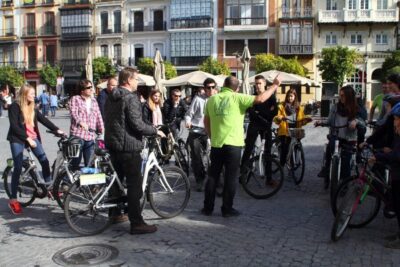
Browse the lists this tour appears in