
Review · COLOMBIA
Santa Marta A Historical & Street food Experience
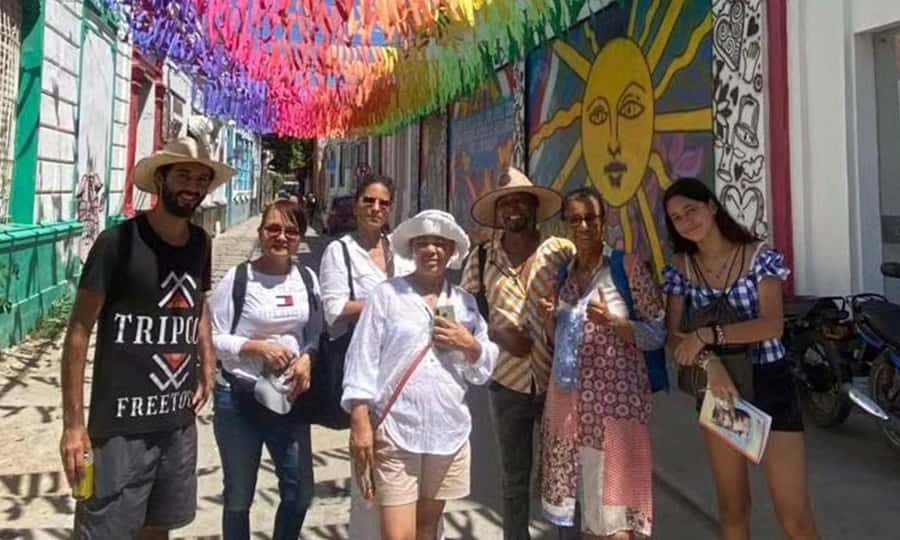
Santa Marta’s past comes into focus through its streets, churches, museum, and food stalls on this compact walking tour. You move from the Tairona Gold Museum and Bolívar Park to the cathedral, Parque de los Novios, San Francisco Church, and San Miguel Cemetery, with local flavors along the way.
I like the mix of Tayrona culture and colonial Santa Marta, and I like that the food stops turn a standard city walk into something more useful and tasty. The main caution is time: the tour is sold as two hours, but the route can feel rushed, while some departures have run much longer.
Key points at a glance
- The Tairona Gold Museum anchors the tour: Start with indigenous artifacts and the story of the Sierra Nevada communities.
- Santa Marta’s key squares fit into one walk: Bolívar Park, the Camellón, and Parque de los Novios show different sides of the city.
- Food is part of the lesson: Expect a local drink and possible tastings of ceviche, lulo, exotic fruit juice, and empanadas.
- The route includes less obvious stops: San Francisco Church and San Miguel Cemetery add religious, artistic, and local context.
- Sergio has received especially warm praise: If he leads your departure, you can expect an approachable guide who is happy to answer basic questions and offer ideas for the rest of your stay.
- The $56 price needs careful thought: It makes more sense if you value a private-feeling cultural introduction and several tastings, less so if your visit is limited to a fast museum and short city walk.
Starting with Tayrona gold at Casa de la Aduana
The tour begins at the Tairona Gold Museum, housed in the Casa de la Aduana. This is a smart starting point because it places Santa Marta within the much older story of the indigenous peoples connected with the Sierra Nevada.
The museum visit is listed as two guided segments, one of 15 minutes and another of 30 minutes. In practical terms, that gives you somewhere between a quick orientation and a more useful introduction to the collection, depending on the guide and the pace of the group.
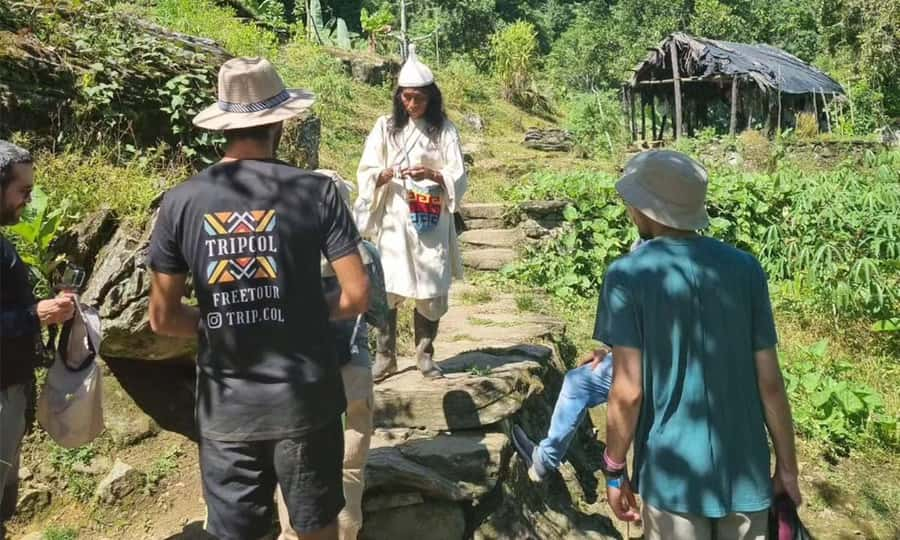
You will learn about Tayrona objects, traditions, and the meaning behind the work. The value here is not only the gold itself. The museum helps you understand that Santa Marta is more than a Spanish colonial port. Indigenous culture remains a central part of the region’s identity, and this first stop gives the rest of the walk a stronger frame.
Allow yourself to listen closely during this section. If the museum portion is shortened, the overall experience loses one of its most important pieces. The museum is not simply an indoor stop before the walking begins. It is the cultural foundation for the tour.
More Street Food Tours in the world:
- Dubai: Old Town, Creek, Museums, Souks, & Street Food Tour
★ 4.8 · 10,816 reviews - Ho Chi Minh City Street Food Tour & Sightseeing By Motorbike
★ 5.0 · 9,413 reviews - Medellin: Comuna 13 Graffiti Tour, Cable Car & Street Food
★ 4.8 · 9,046 reviews
Bolívar Park and the city’s public story
From the museum, the route moves to Simón Bolívar Park. This is where the tour shifts from indigenous heritage to the political story of the city and Colombia.
Your guide explains Simón Bolívar’s connection with Santa Marta and the role of the square in the city’s public life. The stop is useful because it gives you a place to pause and connect names, dates, and national events with the streets around you.
The park also gives the guide a chance to explain Santa Marta’s layout before the walking pace picks up. Look around rather than treating it as a simple photo stop. The buildings and public spaces here help show how the old center has changed while keeping its historical role.
This is a good moment to ask questions about the city’s past. Guides with backgrounds in history, journalism, and anthropology are expected to make the story more than a list of dates. Sergio, one guide associated with this experience, has been especially appreciated for answering basic questions clearly and helping people plan other things to do in the area.
The Camellón, cathedral, and colonial architecture
The walk continues along Parque Camellón Rodrigo de Bastidas, a waterfront public space named after Santa Marta’s founder. It is listed as a photo stop and guided visit, so expect a short explanation rather than a long museum-style presentation.
The Camellón matters because it connects the old center with the water and gives you a sense of Santa Marta’s setting. It is also one of the easier places to understand the city as a port, not just as a collection of old buildings.
Next comes the Cathedral Basilica of Santa Marta. The visit focuses on colonial architecture and the building’s interior details, including the frescoes and their reported messages. This is one of the stops where a guide adds real value. From the outside, a church can look like a quick photograph. With context, its design and decoration become part of the city’s story.
The cathedral stop is listed at about 20 minutes. That is enough for a focused visit, but not enough for a slow architectural study. If church interiors are a major interest for you, listen carefully and ask questions early. The tour has many stops, so the guide must keep the group moving.
Fruit juice and the flavors of the Caribbean coast
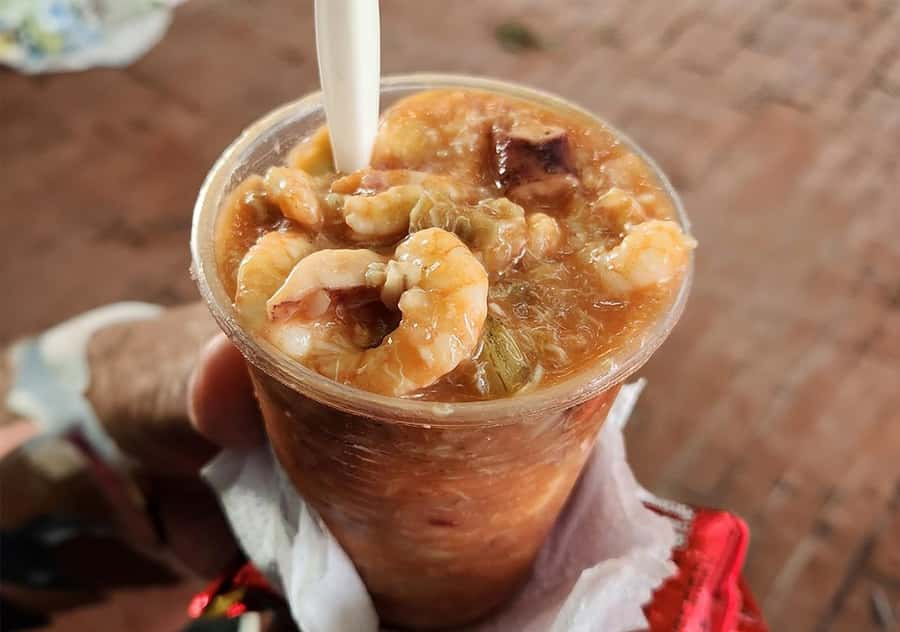
Food and drink are woven through the walk rather than saved for one final meal. One tasting involves an exotic fruit juice, with examples including guanábana, maracuyá, and zapote.
These are useful tastings because they introduce flavors you may not order on your own. Lulo is another focus, and you may try it in juice or an artisanal infusion. The guide also explains its place in Colombian food culture.
You should think of these samples as small cultural stops, not a full lunch. The food element adds variety and gives you a chance to talk with the guide in a less formal setting. It also makes the tour more appealing if you want your first walk through Santa Marta to include local tastes instead of only monuments.
One practical point matters here: food availability can change. A ceviche stop has not always been possible when the intended venue was closed, and a missed tasting may not be replaced elsewhere. If the culinary side is the main reason you are booking, ask at the start what is available that day.
More sit-down food experiences around the world:
- Sorrento Farm and Food Experience including Olive Oil, Limoncello, Wine tasting
★ 5.0 · 2,524 reviews - Rome: Gourmet Food Tour with Dinner & Barolo Wine
★ 4.9 · 2,347 reviews - Porto Food & Wine Tasting Tour with Lunch or Dinner Option
★ 5.0 · 2,303 reviews - Lisbon: Baixa District Food Tour with Dinner and Drinks
★ 4.9 · 1,997 reviews
Parque de los Novios and Santa Marta after dark
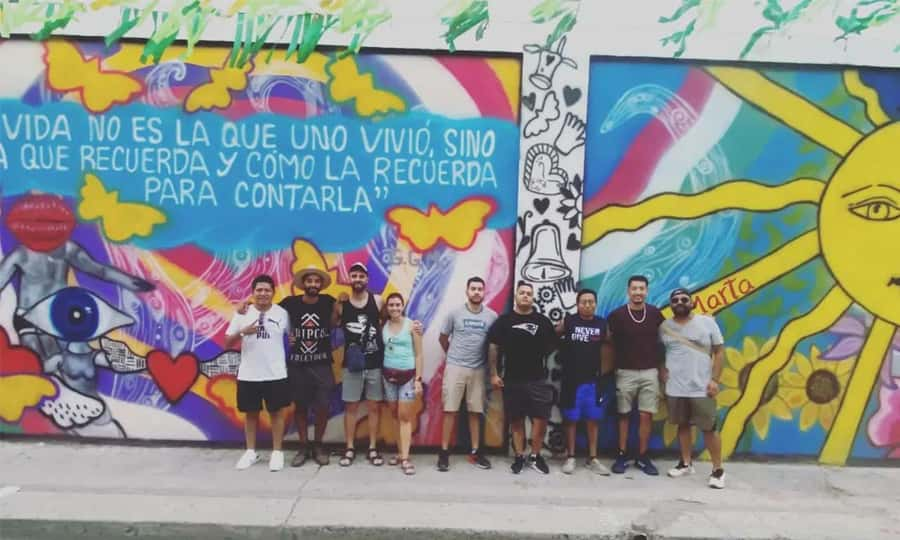
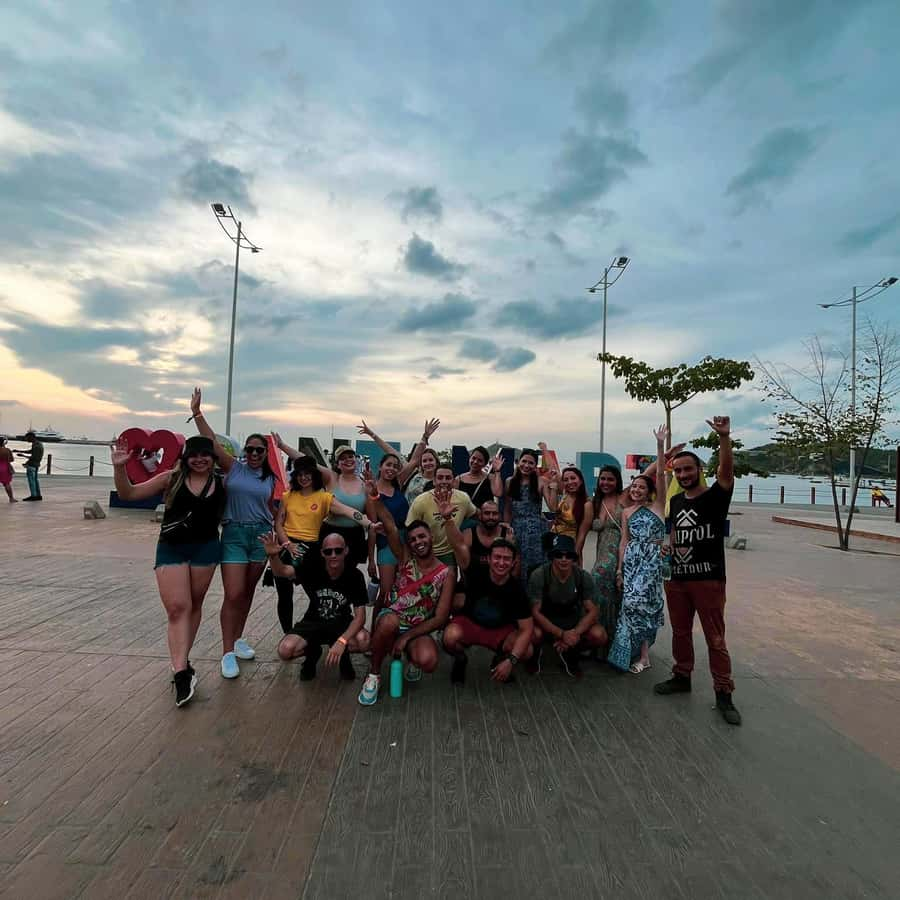
Parque de los Novios is the social center of the route. The guide discusses the square’s history, romance, legends, restaurants, pubs, and clubs in the surrounding area.
This stop is valuable even if you are not interested in nightlife. It helps you understand where Santa Marta’s evening energy gathers and gives you a useful orientation for later meals or drinks. The square is also a natural end point for the walk, with one of the listed drop-off locations here.
The tour’s description presents Santa Marta’s center as a place where the old and the current sit close together. Parque de los Novios is where that idea becomes clearest. You hear about earlier stories and local traditions, then see the modern restaurant and nightlife scene around the same streets.
The listed visit is 45 minutes, making it one of the longer stops. That suggests the guide may spend time explaining the area rather than simply pointing out a plaza. Still, timing can vary. Some departures have taken close to four hours, while others have felt much shorter than the promised two. That inconsistency is worth keeping in mind when planning dinner or another activity.
San Francisco Church and San Miguel Cemetery
The route also includes Iglesia San Francisco and San Miguel Cemetery. These are shorter stops, each listed at about 15 to 20 minutes, and both add a different tone to the walk.
San Francisco Church gives you another view of Santa Marta’s religious architecture. Seeing it after the cathedral lets you compare two churches rather than treating the first one as the only important example.
San Miguel Cemetery brings the focus to remembrance, local figures, and the way a city preserves its past. The information supplied does not specify which graves or memorials you will see, so you should expect a guided overview rather than a guaranteed list of individual sites.
These stops may appeal most to you if you enjoy local stories that do not fit neatly into a major monument. They can also feel less predictable than the headline sights. At the same time, a packed schedule means each one may be brief. The guide’s storytelling makes the difference.
What the $56 price really covers
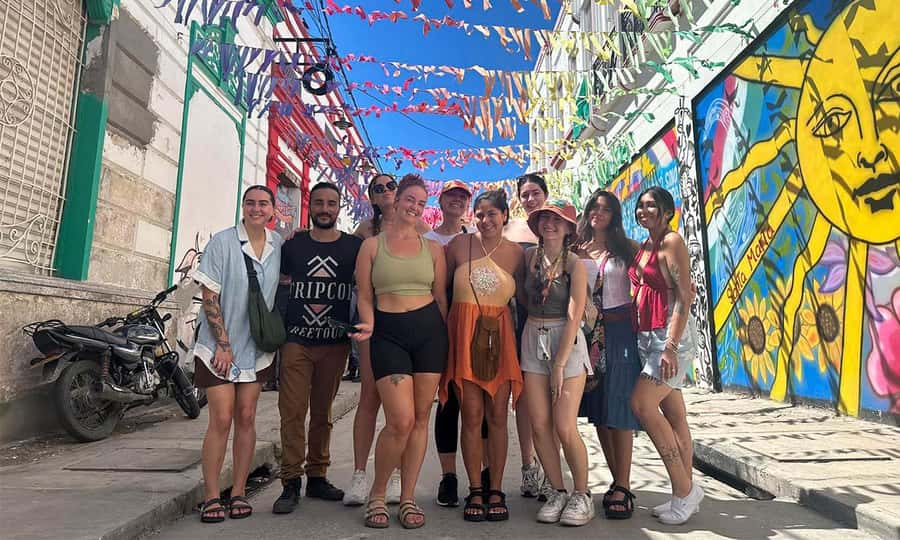
At $56 per person, this is not a cheap orientation walk. You are paying for a professional guide, a guided museum visit, a local drink, and a broad introduction to Santa Marta’s culture and historic center.
The price makes more sense if you want one organized experience that combines a museum, several landmarks, indigenous history, colonial architecture, nightlife orientation, and food sampling. It can save you from piecing together those stops yourself, especially on your first day.
The value is weaker if you expect a long museum visit, generous food portions, or a full meal. The tastings are part of the experience, but they should not replace lunch. Ceviche, fruit drinks, lulo, and empanadas are best viewed as small samples that help you understand local eating habits.
Duration is the biggest value question. The official length is two hours, but the route’s listed stops add up to much more if every segment receives its full stated time. One departure lasted close to four hours, which pleased the people who wanted more conversation but could disrupt a tight schedule. Other departures felt hurried and shorter than expected.
For that reason, I would not book this as a precise two-hour appointment before an airport transfer or dinner reservation. Treat the finish time as flexible unless the operator confirms otherwise.
Guide quality and the pace of the walk
The guide is central to this experience. The company uses guides with backgrounds in history, journalism, and anthropology, and the tour is offered in English and Spanish.
Sergio is the guide name most clearly associated with strong personal service. He has been praised for explaining Santa Marta’s architecture and history in a friendly way, answering simple questions without making people feel awkward, and suggesting other places to see. He has also helped with practical problems outside the tour, which shows the kind of local support you may receive from a particularly engaged guide.
That does not guarantee Sergio will lead your departure. Your experience will depend on the guide assigned and the pace of the group.
The pace deserves attention. This is a walking route with many stops, and the guide has to balance museum time, street explanations, church visits, cemetery context, and tastings. If the guide moves quickly, you may get a broad outline but little time to look closely. If the group asks questions and the guide has room to extend the walk, the tour can become a much fuller introduction.
I would tell you to speak up if you want more time at the museum or cathedral. A guide cannot always guess what matters most to you.
Who will get the most from this experience
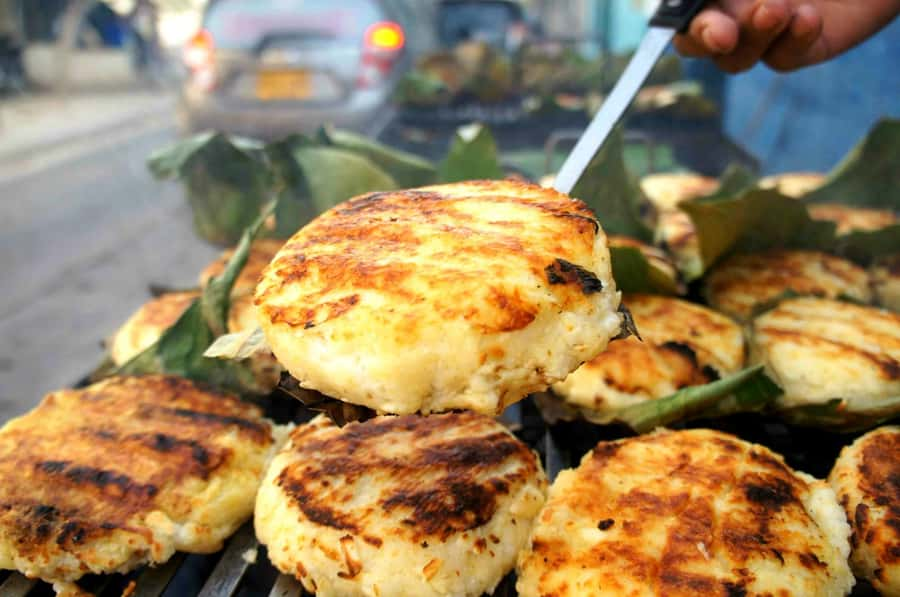
This tour suits you best if you want a first look at Santa Marta that joins cultural sites with everyday food. It is especially useful for people who like to understand a city before exploring on their own.
You will get the most from it if you:
- Want an introduction to Tayrona culture and Santa Marta’s colonial past in one outing.
- Like walking between several central sights rather than visiting one attraction.
- Enjoy trying fruit drinks, ceviche, lulo, and empanadas in small portions.
- Want advice about restaurants, pubs, clubs, and other places in the center.
- Prefer a live guide in English or Spanish.
- Have enough flexibility to handle a tour that may run longer or shorter than expected.
It is less suitable if you want a slow museum visit, a substantial food tour, or a tightly controlled two-hour schedule. People with limited stamina should also note that this is a multi-stop city walk, though the supplied information does not provide accessibility details.
Booking details that matter
You can cancel up to 24 hours before the activity for a full refund. The reserve-now, pay-later option lets you hold a place without paying immediately, which is useful when your Santa Marta plans are still changing.
Check the available starting times before booking. An afternoon departure has worked well for at least one group because the cooler conditions made the walk more comfortable. The tour can end at Parque de los Novios or return to the Tairona Gold Museum, so both locations are useful for planning your next stop.
The start point is the Tairona Gold Museum at Casa de la Aduana. The activity is offered with live guides in English and Spanish. Since the food stops can depend on what is open, confirm the tasting plan when you meet.
Should you book Santa Marta A Historical and Street Food Experience?
Book it if you want a broad cultural introduction and value having a guide connect the museum, churches, squares, cemetery, food, and nightlife areas. The strongest version of the tour includes a thoughtful guide such as Sergio, enough time at the museum, and the planned tastings.
Think twice if $56 feels high for a walking tour or if you need the experience to finish exactly two hours after it begins. The uneven timing and the possibility of a missed ceviche stop are real concerns.
My practical choice would be to book it early in your Santa Marta stay, preferably when you can keep the rest of the day open. That gives you time to ask questions, use the guide’s suggestions later, and treat the walk as a proper introduction rather than a rushed checklist.
FAQ
Where does the tour start?
It starts at the Tairona Gold Museum, located in Casa de la Aduana.
Where can the tour finish?
The listed drop-off points are Parque de los Novios and the Tairona Gold Museum at Casa de la Aduana.
How long does the tour last?
The advertised duration is two hours. Actual timing can vary, with some departures running longer and others feeling shorter or more rushed.
What languages are available?
The tour is offered with live guides in English and Spanish.
Is the Tairona Gold Museum included?
Yes. The experience includes a guided tour inside the museum.
What indigenous culture will I learn about?
The tour explains the indigenous peoples connected with the Sierra Nevada and introduces Tayrona artifacts, traditions, and history.
Is food included?
A local drink is included. The experience also describes tastings of ceviche, exotic fruit juice, lulo, and empanadas, but availability can change.
Does the tour include Santa Marta’s cathedral?
Yes. The route includes the Cathedral Basilica of Santa Marta, with guided commentary and time to see its architecture and interior details.
Does the tour visit Parque de los Novios?
Yes. You visit Parque de los Novios and learn about its social role, stories, restaurants, pubs, and clubs.
Can I cancel for a full refund?
Yes. You can cancel up to 24 hours in advance for a full refund.
More food history walks around the world
- Barcelona: Tapas Walking Tour with Food, Wine, and History
★ 4.8 · 4,261 reviews - Sevilla Food Tour: Tapas, Wine, History & Traditions
★ 5.0 · 3,468 reviews - Madrid Tapas & Taverns Small Group Food & History Tour
★ 5.0 · 2,664 reviews - Historic Ybor City Food Walking Tour
★ 5.0 · 2,210 reviews
Fresh off the menu around the world
- Taste of Chiang Mai: Michelin Guide & Street Food Tour★ 4.9 · 159 reviews
- Eat Porto Like a Local: The Ultimate Full-Meal Food Tour★ 5.0 · 97 reviews
- Vienna: The Ultimate Full Meal Austrian Food Tour★ 4.8 · 112 reviews
- Jerez: Traditional Tapas Tour★ 4.6 · 138 reviews
- Taste my Fribourg Self-Guided Food Tour★ 4.5 · 29 reviews
- Taste of Albania: Tirana Food Tour★ 5.0 · 26 reviews
- Taormina Pizza making class★ 4.8 · 140 reviews
- Taormina: Pizza Making Class with Lunch and Wine Tasting★ 4.8 · 145 reviews
Colombia Food Tours, compared.
Medellin: Comuna 13 Graffiti Tour, Cable Car & Street Food
Read our review →
Medellín: Comuna 13 True Story and Street Food Tour
Read our review →
Cartagena: Guided Street Food Tour with Tastings
Read our review →
Medellin: Street Food and Poblado Rooftop Tour with a Local
Read our review →
Medellin: Party Bus with DJ & Street Food Tastings
Read our review →
Medellin: tasting Street Food with Rooftops of El Poblado
Read our review →Browse the lists this tour appears in