
Review · FRANCE
Passy-Grigny: Chocolate and Champagne Tasting Tour
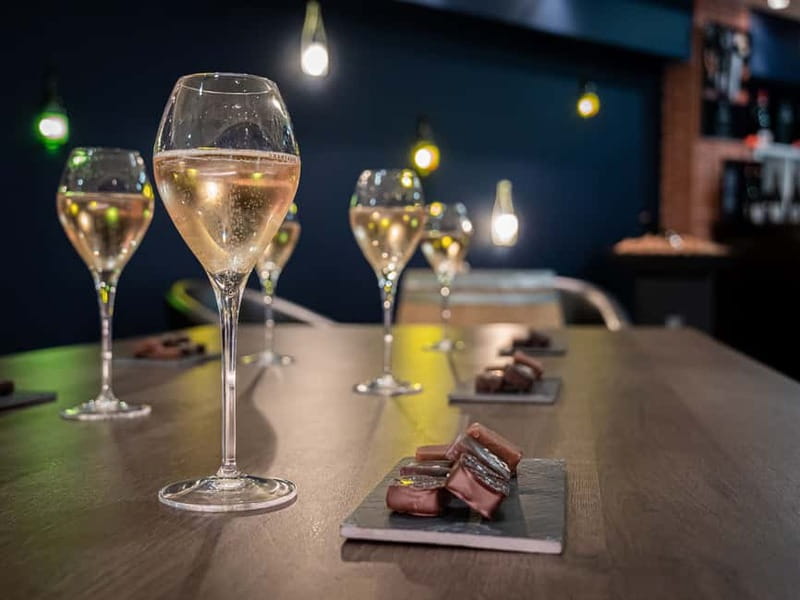
Champagne and chocolate are a fine pair, but the real draw here is seeing how the bottle begins life. At Champagne Dom Caudron in Passy-Grigny, you follow the production story from the village growers’ first press to a modern vat house, then sit down for three Champagnes matched with three chocolates. I like the clear English tours and the link to Aimé Caudron, the priest who brought local winemakers together in 1929. I also like that this is a working Champagne house rather than only a grand-name cellar.
The main drawback is getting there. Passy-Grigny is not well served by public transportation, and you may need a car, Uber, or Bolt. At about 90 minutes, the visit gives you a useful introduction, but anyone wanting a long cellar walk or a major historical presentation may find it brief.
Key points at a glance
- A village-rooted Champagne story: Learn how Aimé Caudron helped local growers organize in 1929 and shaped the house’s identity.
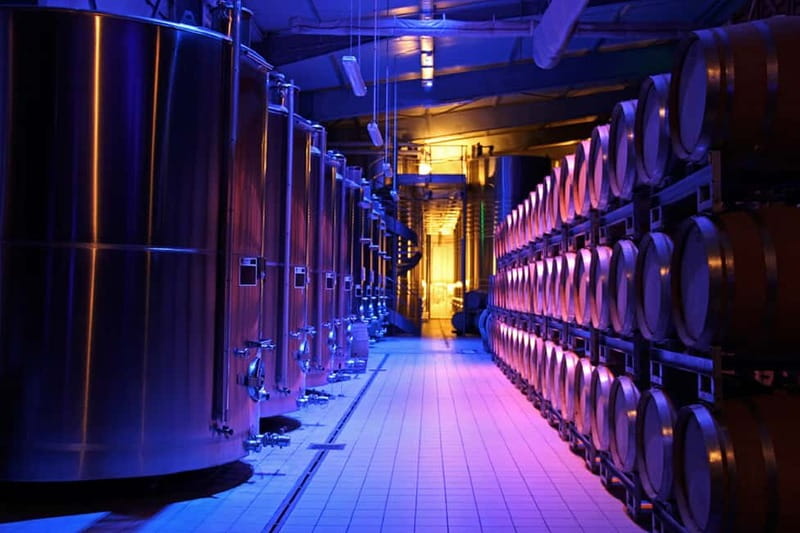
- A look at production: See the path from the original press used by Passy-Grigny growers to the present-day vat house.
- Three thoughtful pairings: Taste three Champagnes with three chocolates, not simply a quick glass at the end.
- Strong English guiding: Guides such as Clémentine, Fanny, Katja, and others have been praised for clear explanations and warm, personal hosting.
- Good for families: Children can receive juice, and one guide even demonstrated sabrage for two young boys.
- A practical rural stop: The $32 price is attractive, but reaching Passy-Grigny is easiest by car or ride service.
A small Champagne house with a local beginning
Champagne Dom Caudron is in Passy-Grigny, a village in the Marne Valley. That setting matters. You are not simply visiting a polished tasting room with a famous label attached. The experience is tied to the growers who made Champagne production part of village life.
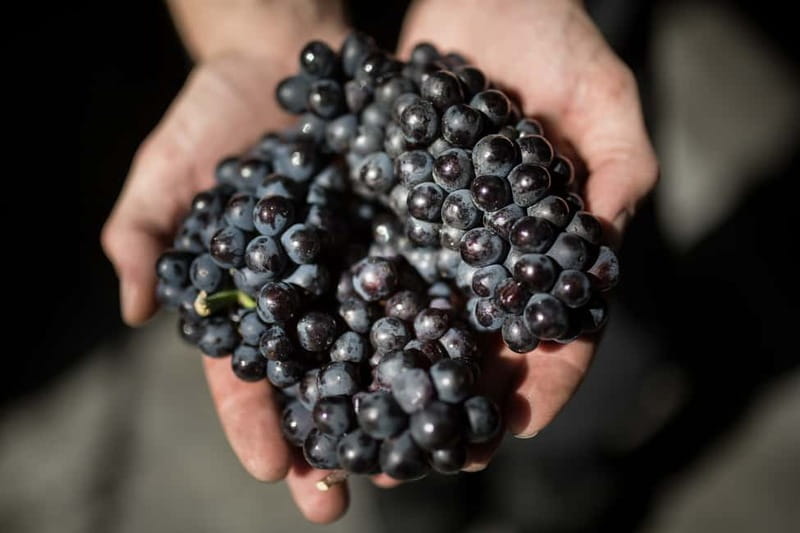
The house traces its roots to Aimé Caudron, a priest with an ambitious idea. In 1929, he gathered Passy-Grigny winemakers to build a shared future around the Meunier grape. That local beginning gives the visit a useful sense of place before you even reach the tasting.
I like this angle because it adds human scale to a drink that can otherwise feel wrapped in ceremony and high prices. You hear about the people behind the bottles, not just the technical steps. The tour also helps you understand why a cooperative-style Champagne house can be an important part of a rural community.
Do not expect a grand Reims palace or a famous-name cellar. The appeal is more direct: local growers, current production, and an accessible introduction to Champagne making.
More Dessert Tours in France:
- Paris French Sweets Tasting Tour with Pastries and Chocolates
★ 4.5 · 947 reviews - Saint-Germain: Gourmet Chocolate & Pastry Walking Food Tour
★ 4.8 · 495 reviews - Paris Chocolate, Macaron & Pastry Food Tour: 10 Gourmet Tastings
★ 5.0 · 339 reviews
From the first press to modern vats
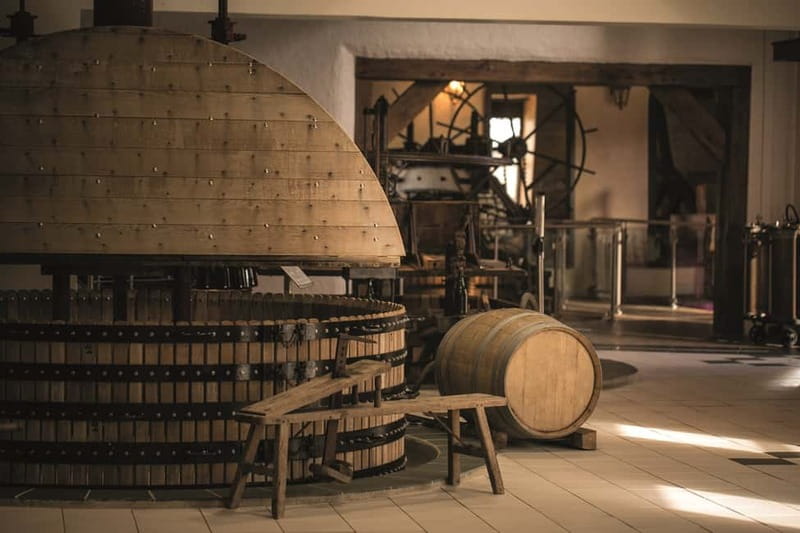
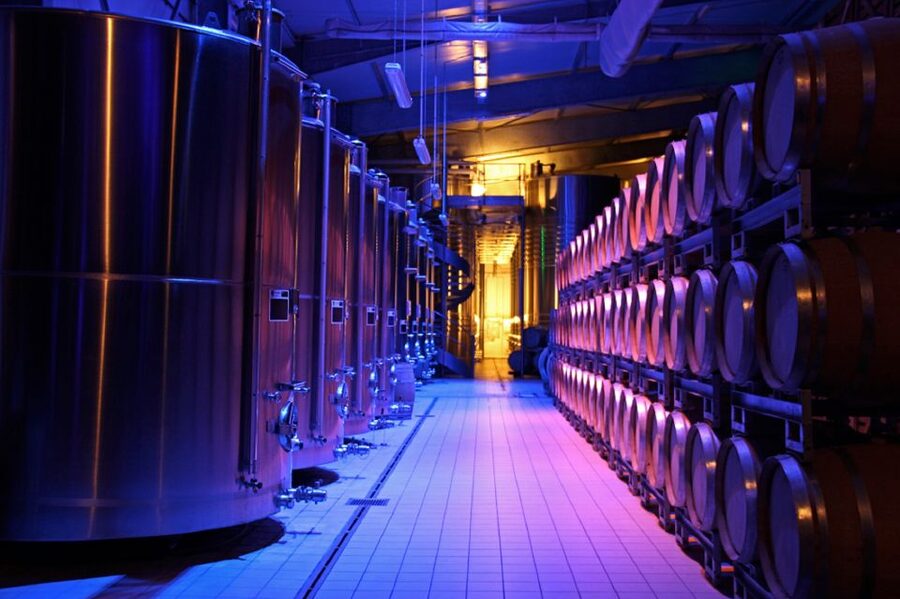
The main guided portion lasts about 75 minutes, with the complete experience running around 90 minutes. The tour takes you through the production process, beginning with the first press used by the Passy-Grigny growers and continuing into the modern vat house.
That contrast is one of the most useful parts of the visit. The old press gives you a physical link to the early days of the house. The modern equipment shows how Champagne production has changed and how a current operation handles the wine today.
The tour is not limited to the tasting room. You get a behind-the-scenes explanation of how Champagne is made, including the progression from grapes to finished bottles. The exact route and presentation may vary, but the focus is clear: this is a production visit first, followed by a tasting.
A short film is also part of the presentation. One visitor found the film informative but thought it could use an update, so you should treat it as a supporting piece rather than the main attraction. The guide is where the visit comes alive, especially when you have questions about the process.
The balance is generally good. You receive enough technical information to understand what you are drinking, yet the tour does not appear to bury you in jargon. For a first Champagne visit, that is a strength. If you already know the production method well, you may find the tour more introductory than advanced.
The people make the English tour work
The English guiding has been one of the strongest parts of the experience. Guides named Clémentine, Fanny, and Katja have been singled out for friendly, clear, and personal hosting, while other guides have also been praised for answering questions and keeping the tour lively.
That matters in a production visit. Machinery and tanks can be interesting, but only if someone explains what you are seeing and why it matters. A good guide turns the equipment into a story about pressing, fermentation, blending, and bottling.
You can book the tour in English or French. The English version is a particularly useful choice if you are visiting the Champagne region without much background in French wine. The guides appear comfortable handling questions, and the tone is welcoming rather than stiff.
The experience can also work well for families. Children receive juice instead of Champagne, and a guide once demonstrated opening a bottle with a sabre for two young boys. That is a memorable touch, though it should be understood as a reported part of one visit, not a guaranteed feature of every tour.
If you want a quiet, formal tasting with little conversation, this may feel more social than expected. I see that as a plus for most first-time visitors, but your enjoyment will still depend partly on the guide and the makeup of your group.
Three Champagnes, three chocolates
The final tasting is the tour’s signature feature. You try three Champagnes, each paired with a chocolate. This is more interesting than tasting Champagne alone because the chocolate changes how you notice sweetness, acidity, fruit, and finish.
You do not need to be an expert. The guide can help you compare the samples and think about how the pairings work. The chocolate gives you an easy reference point, making the tasting less intimidating for beginners.
I like the structure because it gives the final part a clear purpose. Instead of receiving a single glass after a production talk, you get three samples and three food matches. Several people found the chocolates particularly good, and the Champagne was repeatedly described as a highlight.
A child in your group can be offered juice, which makes the tasting easier for families. Still, this is an alcohol-focused visit, so adults who want to spend most of their time sampling should plan accordingly. The experience is about learning and comparing, not having a long Champagne lunch.
You can also purchase bottles at the house if you find a favorite. The tasting gives you a useful chance to decide what suits your palate before buying, although the available selection and prices are not specified.
More food tours around France:
- Authentic Parisian Gourmet Food Tour with 10 Local Dishes & Wines
★ 5.0 · 4,754 reviews - Montmartre Hill French Gourmet Food and Wine Tasting Walking Tour
★ 5.0 · 2,588 reviews - Devour Paris Ultimate Food Tour
★ 5.0 · 2,087 reviews - Private Montmartre Food Tour with Wine, Cheese & Pastries
★ 5.0 · 1,027 reviews
Why the $32 price makes sense
At $32 per person, this is a fairly appealing regional experience. You receive a guided production visit, an English or French-speaking guide, three Champagnes, and three chocolates. For a Champagne-area outing, that combination offers more substance than a simple tasting appointment.
The value is strongest if you are new to Champagne. You get the basic production story, a local background, and a structured tasting in one short visit. It can also be a welcome change from the large houses in Reims and Épernay, especially if you have already seen grand reception rooms and want something more connected to a village producer.
I would not call it the cheapest possible way to taste Champagne. One visitor felt it was not inexpensive, but still considered it good value. That is a fair reading. You are paying for the guide’s time, access to the production setting, and the food pairing, not only for three pours.
The price is less compelling if your main goal is an extended cellar visit, a full meal, or a long technical seminar. The visit lasts about an hour and a half, and one person wished it had lasted longer. Think of it as a compact introduction that fits neatly into a day of exploring the Marne Valley.
Getting to Passy-Grigny
The meeting point is Champagne Dom Caudron at 10 Rue Jean York, Passy-Grigny, though you should check the exact meeting details for your selected option. The tour begins and ends at the Dom Caudron location.
Transport is the main practical issue. Public transportation is not readily available, and a visitor specifically advised driving or using Uber or Bolt. If you are staying in Reims or Épernay without a car, check your return plans before booking. A ride service may be possible, but you should not assume an easy spontaneous pickup in a rural village.
A car gives you more freedom to explore Passy-Grigny and nearby parts of the Marne Valley before or after the visit. One person recommended renting a car and enjoying the surrounding villages. That advice makes sense, but remember that Champagne tasting and driving require careful planning.
The location is also an advantage if you want a break from the busiest wine-tour routes. You may find the village setting calmer and less commercial than a major house in Reims. Just allow enough time for the journey, and do not build a tight schedule around the 90-minute duration if transport is uncertain.
Who should book this experience
I would choose this tour for a first visit to Champagne, particularly if you want a clear explanation without committing to a full-day wine program. The English option, approachable guides, and simple tasting format make it easy to follow.
It is also a good match for:
- Couples who want a short food-and-wine stop
- Families with older children or teenagers
- Visitors staying several days in Reims or Épernay
- People curious about production rather than only famous labels
- Anyone who enjoys chocolate and wants a guided pairing
The experience may be less suitable if you want extensive history, a long underground cellar walk, or a very technical tasting. One person noted that the focus is more on production than on the history of Champagne. That is an important distinction.
I would also think carefully about timing. A 90-minute visit can fit before another appointment, but transport from a rural village can add uncertainty. If you are visiting without a car, confirm your outbound and return options first.
Booking flexibility and access
You can cancel up to 24 hours before the experience for a full refund, and the reserve-now, pay-later option lets you hold a place without paying immediately. That is useful when your Champagne schedule depends on weather, transport, or other winery appointments.
The tour is offered in English and French, with a live guide. It is also listed as wheelchair accessible. Since the route through production areas can vary, you may still want to confirm any particular mobility needs when booking.
Availability depends on the date and starting time. The safest approach is to check the current schedule, allow time for transport, and arrive at the specified Dom Caudron meeting point.
Should you book Champagne Dom Caudron?
Book it if you want a friendly, well-paced introduction to Champagne production with a tasting that adds something extra. The three chocolate pairings give the visit a clear identity, while the story of Aimé Caudron and the move from the first press to modern vats keep it connected to Passy-Grigny.
I especially like it as an alternative to the big-name houses. You get a closer look at a local operation, a chance to ask questions, and enough Champagne to compare styles without spending half a day underground.
Skip it if your priority is a grand historic cellar, a long tasting, or a full meal. Also skip it, or plan carefully, if reaching Passy-Grigny without a car would create stress.
For $32, I think it is a smart buy for most first-time visitors who can solve the transport question. Come for the production story, stay for the chocolate, and leave enough room in your day to enjoy the village setting.
FAQ
Where is the Champagne and chocolate tour held?
The experience takes place at Champagne Dom Caudron, 10 Rue Jean York, in Passy-Grigny, in France’s Grand Est region.
How long does the experience last?
The full experience lasts about 90 minutes. The guided tour itself lasts around 75 minutes, followed by the tasting.
What does the tasting include?
You taste three Champagnes paired with three chocolates. Juice can be offered to a child.
Is the tour available in English?
Yes. The live guided tour is available in English or French.
What does the tour cover?
The tour explains how Champagne is made and takes you from the first press used by the Passy-Grigny growers to the modern vat house.
Is this tour suitable for children?
Yes. Children can receive juice, and the experience has been enjoyed by families with children and teenagers.
Is the experience wheelchair accessible?
Yes. The activity is listed as wheelchair accessible.
How much does the tour cost?
The listed price is $32 per person.
Can I cancel the booking?
Yes. You can cancel up to 24 hours in advance for a full refund. A reserve-now, pay-later option is also available.
Fresh off the menu around France
- Strasbourg: Traditional Food Walking Tour with Tastings★ 4.8 · 219 reviews
- Strasbourg Food Tour : Gourmet Tour with tastings★ 4.7 · 73 reviews
- Strasbourg: 2-Hour Gourmet Walking Tour★ 4.1 · 39 reviews
- Strasbourg: Culinary Tour★ 4.5 · 43 reviews
- Sarlat Gourmet Tour & Market Visit with Tastings★ 4.6 · 57 reviews
- Saint-Emilion: Grand Cru Classé Gourmet Visit★ 4.5 · 60 reviews
- From Bordeaux: Saint-Emilion Wine Tasting Tour★ 4.8 · 24 reviews
- Paris: Saint Germain des Prés Guided Foodie Walking Tour★ 4.8 · 146 reviews
France Food Tours, compared.
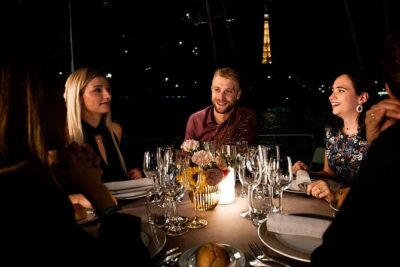
Bateaux Parisiens Seine River Gourmet Dinner & Sightseeing Cruise
Read our review →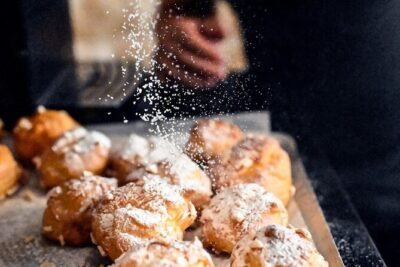
Authentic Parisian Gourmet Food Tour with 10 Local Dishes & Wines
Read our review →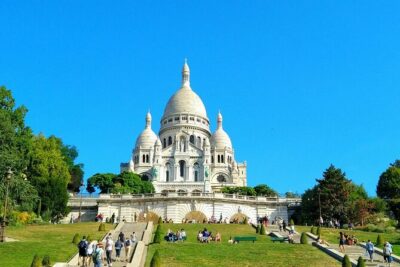
Montmartre Hill French Gourmet Food and Wine Tasting Walking Tour
Read our review →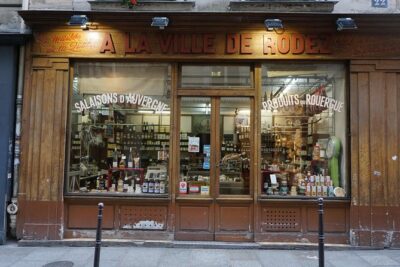
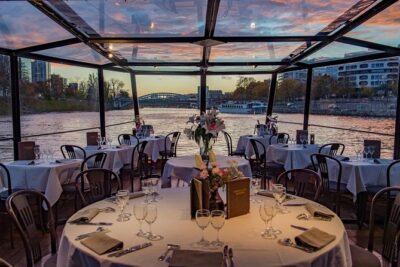
Paris 3-Courses Gourmet Dinner Seine River Cruise with Champagne
Read our review →
Paris Gourmet Dinner Seine River Cruise with Singer and DJ Set
Read our review →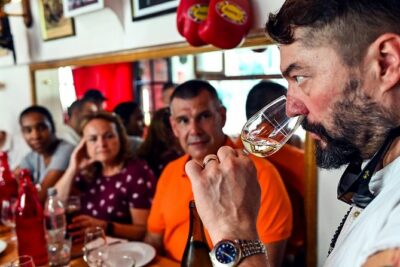
Private Montmartre Food Tour with Wine, Cheese & Pastries
Read our review →
Paris Le Marais Food Tour With 10+ Tastings, Cheese, Wine & More
Read our review →Browse the lists this tour appears in