
Review · MALAYSIA
Kuala Lumpur: Sambal Street Food Tour with 15+ Tastings
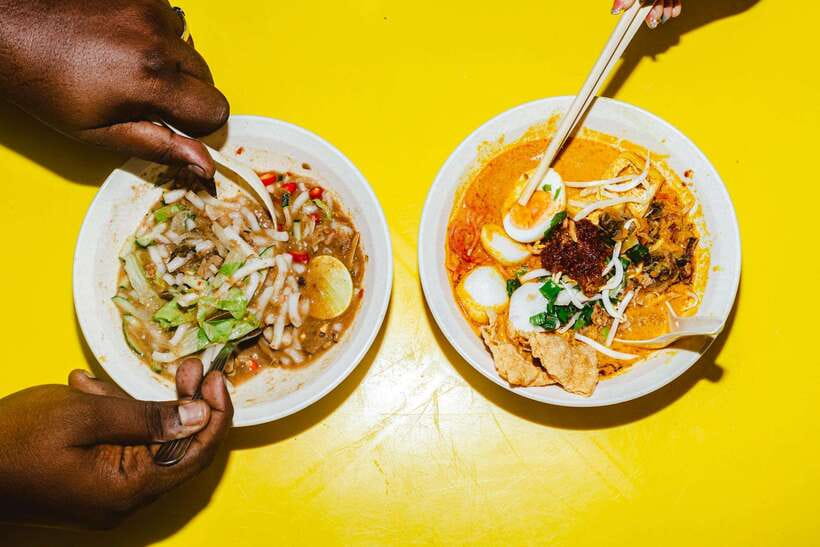
Kuala Lumpur’s best food is often found away from the polished malls and famous tourist streets. This four-hour walk takes you into Kampung Baru and Chow Kit, where local eateries serve nasi lemak, roti canai, satay, grilled mackerel, curries, and plenty of dishes you may not recognize at first glance. The food is the main event, but the guide’s stories about Malaysian culture and daily life give each bite a useful bit of context.
I like the small group of eight and the relaxed pace. Guides such as Kiran, Nadia, Ian, Sam, and Steve are repeatedly praised for explaining ingredients, adjusting spice levels, and helping people get home afterward. I also like the range: you do not simply eat five versions of the same dish. You move from market ingredients to handmade roti, banana-leaf grilled fish, cooling desserts, and fruit.
The main caution is simple: this is a serious amount of food. Come hungry, eat lightly beforehand, and understand that vegetarians, vegans, and people with severe food allergies may have few suitable choices. Rain will not stop the tour, so comfortable shoes and an umbrella matter.
What makes this Kuala Lumpur food tour worth considering
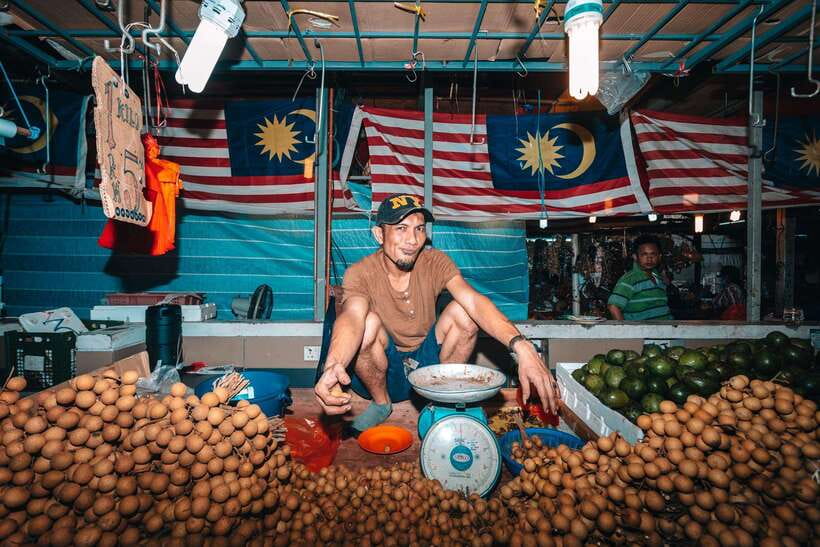
- More than 15 tastings: Try Malaysian staples such as nasi lemak, rendang, satay, curry laksa, roti canai, grilled fish, cendol, and durian.
- Kampung Baru and Chow Kit: Walk through two central areas that show a more local side of Kuala Lumpur than the usual shopping districts.
- Eight-person limit: A small group makes it easier to ask questions, share dishes, and keep up with the guide.
- Guides who adjust the experience: Spice levels, dietary needs, and adventurous appetites can be discussed as the evening progresses.
- Food plus cultural background: Learn about ingredients, preparation, Malaysian history, and the country’s mix of culinary traditions.
- Four hours of walking and eating: The pace is designed to keep you comfortable, but the total quantity can still be substantial.
Starting near Hilton Garden Inn South
You meet outside the entrance of the Hilton Garden Inn South, on the corner of Jalan Raja Alang and Jalan Tuanku Abdul Rahman. Pay close attention to the word South, since there are Hilton Garden Inn properties in Kuala Lumpur and the meeting point is specific.
The tour is conducted in English and lasts about four hours. There is no hotel pickup or drop-off, so you need to reach the meeting point yourself and arrange your way home afterward. Some guides, including Nadia, have helped participants find the LRT or work out their route at the end, but you should still arrive with your return plan in mind.
The tour runs rain or shine. Kuala Lumpur’s weather can turn wet quickly, and the walking route includes outdoor sections, so bring an umbrella or rain jacket. Wear shoes that can handle wet pavements and several hours on your feet.
The group limit of eight is one of the tour’s practical strengths. Food tours can become awkward when a large crowd crowds around a stall or restaurant table. Here, the guide can check who needs less chili, explain an unfamiliar dish, and make sure everyone gets a fair share.
More Street Food Tours in the world:
- Dubai: Old Town, Creek, Museums, Souks, & Street Food Tour
★ 4.8 · 10,816 reviews - Ho Chi Minh City Street Food Tour & Sightseeing By Motorbike
★ 5.0 · 9,413 reviews - Medellin: Comuna 13 Graffiti Tour, Cable Car & Street Food
★ 4.8 · 9,046 reviews
The market introduction explains what goes into Malaysian food
The first part typically includes a walk through a local market or food area, where you see the produce, herbs, spices, and other ingredients used in Malaysian cooking. This matters because Malaysian food can look simple on the plate while relying on layers of aromatics, coconut, chili, fermented ingredients, and fresh herbs.
You are not just handed a plate and told its name. The guide explains what you are eating and how it connects to Malaysia’s Malay, Indian, Chinese, and wider regional influences. That background helps you make sense of the food you will encounter later.
The market walk also gives you a clearer picture of everyday Kuala Lumpur. Instead of starting in a restaurant designed for visitors, you begin in an area used by local residents. The setting is part of the lesson, and it gives the food a stronger sense of place.
The amount of explanation depends partly on where you are standing. One participant found that background noise and distance occasionally made it hard to hear every answer. If you have trouble hearing, stay close to the guide when the group gathers around a stall or table.
Kampung Baru shows an older side of central Kuala Lumpur
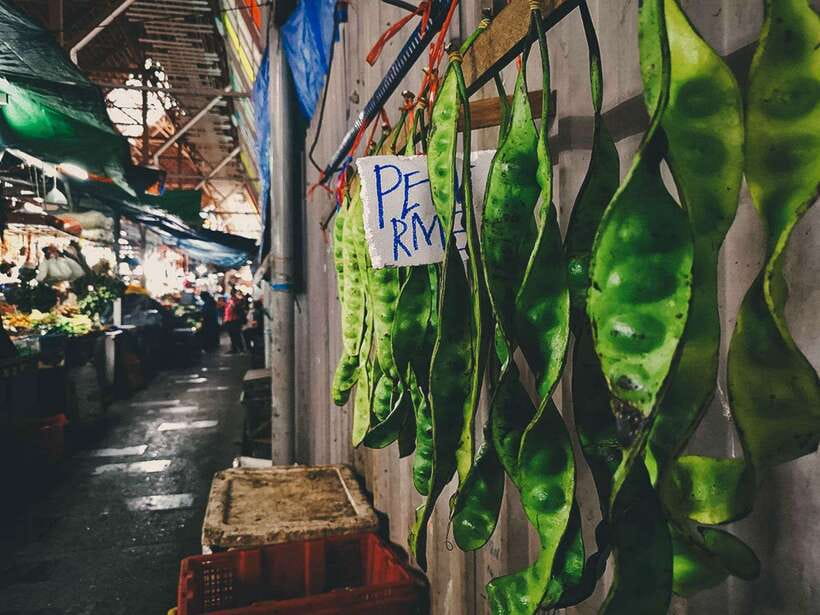
Kampung Baru is one of the tour’s most appealing settings. It is a traditional neighborhood in the middle of a fast-changing city, and walking through it gives you a break from Kuala Lumpur’s towers, malls, and modern restaurant districts.
The route lets you see how food fits into the neighborhood. Small eateries and market stalls are not presented as isolated attractions. They are part of a lived-in area where people come to eat familiar dishes, buy ingredients, and meet friends.
This is also where the tour feels most different from a standard city food crawl. You are not simply ticking off famous dishes. You are walking through a part of Kuala Lumpur that many first-time visitors would miss without a local escort.
The pace is deliberately unhurried. Guides such as Kiran and Jay have been praised for allowing enough time to eat, talk, and move between stops without turning the tour into a race. That pacing matters because each tasting is part of a long sequence rather than a single large meal.
Roti canai turns a snack into a small lesson
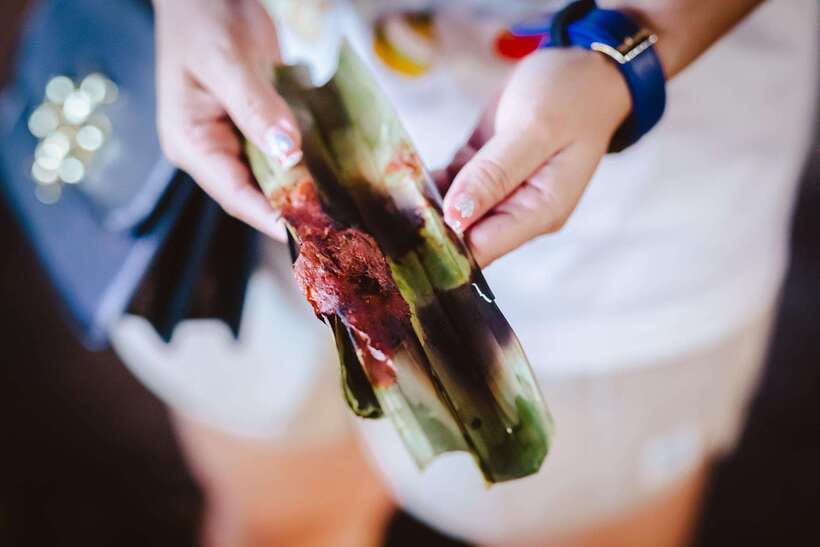
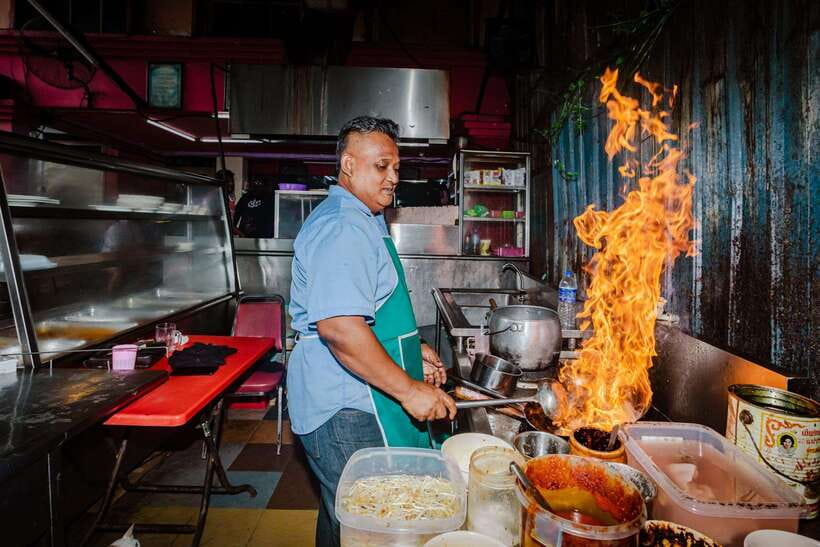
Roti canai is one of the memorable stops. This flaky flatbread is served with curry, and the preparation can include stretching, folding, and flipping the dough before it reaches the hot cooking surface.
The experience may include trying your hand at the roti canai technique. It is a simple activity, but it gives you a better appreciation of the skill involved. After seeing how the dough is handled, you will understand why a good roti has such a light, layered texture.
The accompanying curries add another useful comparison point. Malaysian food is not limited to one flavor profile, and Indian influence is an important part of the country’s food culture. Roti canai makes that connection easy to taste.
This stop also gives the guide a chance to explain how dishes are prepared, not just what they are called. That distinction is valuable if you plan to eat independently in Kuala Lumpur afterward.
More food tours around the world:
- Reykjavik Food Walk – Local Foodie Adventure in Iceland
★ 5.0 · 18,952 reviews - Madrid: Live Flamenco Show with Food and Drinks Options
★ 4.5 · 9,901 reviews - From Split: Krka Waterfalls, Food & Wine Tasting Tour
★ 5.0 · 9,326 reviews - Montserrat Half-Day Tour with Tapas and Gourmet Wines
★ 5.0 · 7,359 reviews
Nasi lemak, rendang, and satay cover the famous classics
The tour includes several dishes you may already have heard about, but they are worth trying in context. Nasi lemak, Malaysia’s well-known coconut rice dish, is typically served with a collection of accompaniments that may include sambal and other savory elements. The point is not only the rice itself, but how the spicy, salty, sweet, and crunchy parts work together.
Rendang offers a very different experience. It is slow-cooked and heavily seasoned, with a concentrated sauce and a substantial texture. A guide can explain how it differs from lighter curry dishes and why it has such an important place in Malaysian cooking.
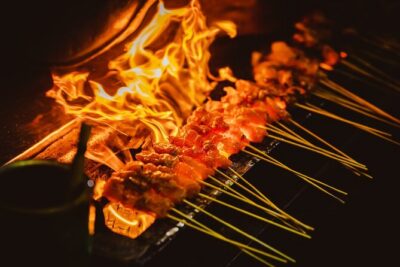
Then comes satay, flame-grilled meat served with peanut sauce. This is familiar street food, but it is also a good lesson in the value of freshness, smoke, and texture. The skewers are easy to share, making them useful for a small group tasting.
I like that the tour does not avoid the famous dishes. You get a foundation with foods you may recognize, then move toward dishes and ingredients that are less familiar. That balance works well for first-time visitors who want both confidence and discovery.
Grilled mackerel and sambal bring the heat
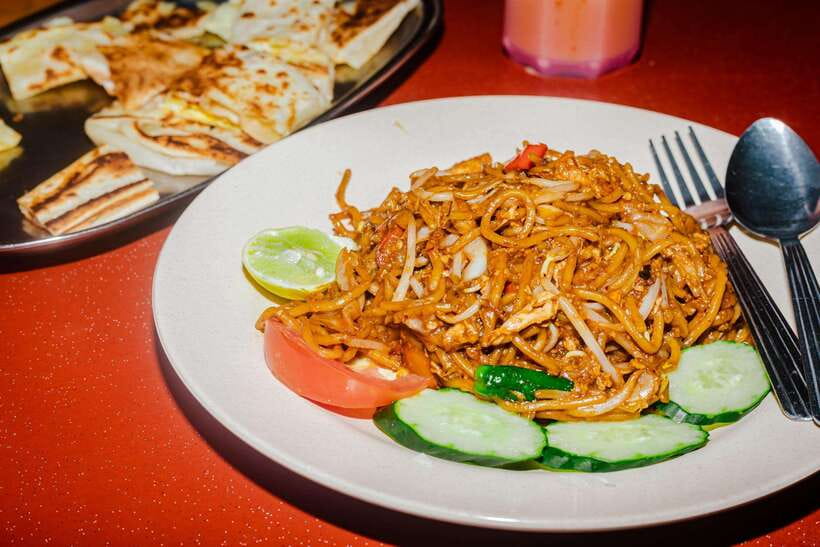
One of the more distinctive tastings is banana-leaf grilled mackerel with sambal. The banana leaf helps frame the dish, while the sambal brings the heat and aromatic punch that many people associate with Malaysian food.
Your guide can help you judge how much chili to try. This is important because spice levels can vary, and a dish that is manageable for one person may overpower another. Several guides have been praised for asking about heat tolerance early and adjusting later servings when needed.
Sambal is not one single sauce with one fixed recipe. It can be hot, savory, sweet, or sharp, depending on the ingredients and preparation. Tasting it with fish gives you a better idea of how it is used as a partner to food rather than simply as a source of heat.
If you dislike spicy food, do not assume you will be left out. Ask your guide at the start. The tour can make some adjustments, but the overall experience is still built around Malaysian dishes in which chili often plays a role.
Cendol and durian finish the meal on a bold note
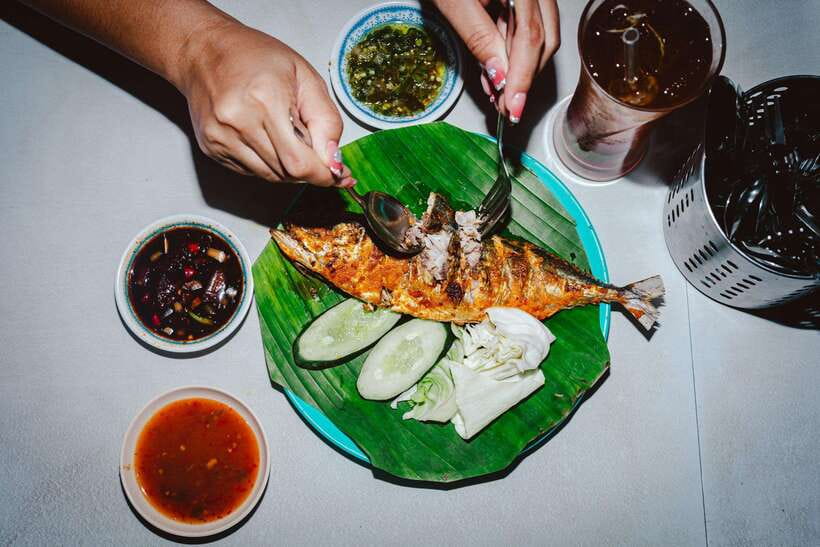
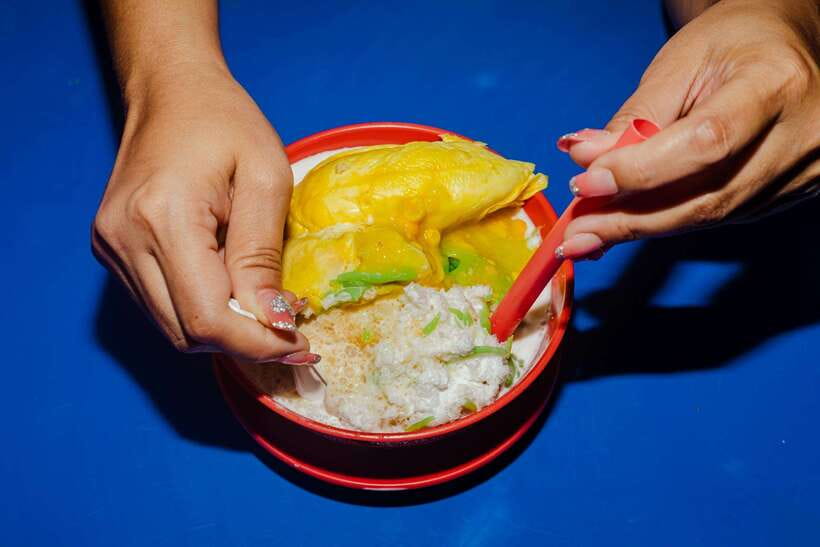
Cendol is a useful pause after the savory dishes. It is a cool dessert with shaved ice and sweet elements, often paired with coconut-based flavors and syrup. The version described for this tour can include durian, giving it a distinctly Malaysian finish.
Durian is one of those foods you should approach with an open mind. Its smell and creamy texture can be intense, and not everyone enjoys it. The tour gives you the chance to try it in a guided setting rather than buying a large portion on your own.
Seasonal fruit and drinks may also appear during the route. One group finished with a mango shake, while other tastings included fruit and cooling drinks. These lighter items help break up the heavier dishes, although they do not make the tour small or restrained.
By the end, you will likely be full. One participant felt the quantity was excessive and would have preferred fewer dishes at a lower cost. That is a fair concern, especially if you are not accustomed to eating many small portions over four hours.
Four hours and 15-plus tastings: what the value means
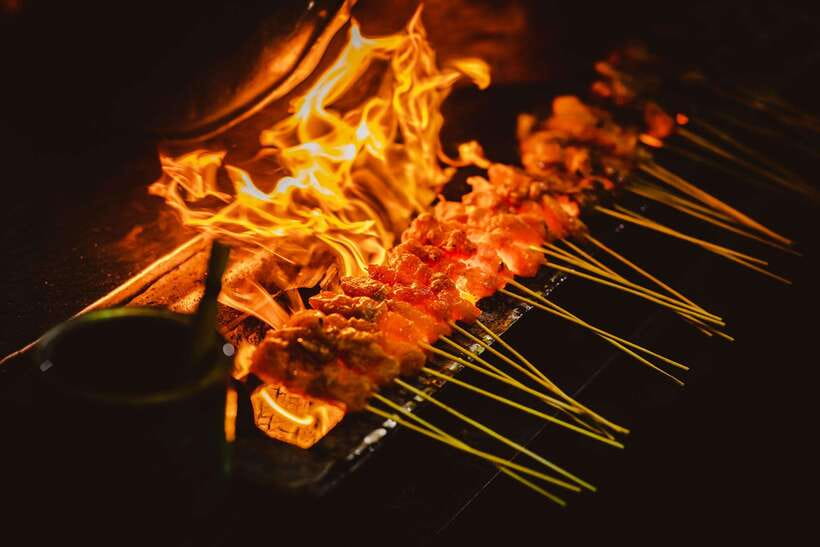
The price is $53 per person. That is more than you would spend ordering a few individual street dishes on your own, but the comparison is not quite fair. The fee includes more than 15 tastings, bottled water, an English-speaking local guide, and a small-group walking route through areas that can be difficult to understand on a first visit.
I see the value in the food selection and the guidance. You are not gambling on unfamiliar menus or ordering full portions of dishes you may not like. The group shares many items, and the guide helps explain what each one is, how it is made, and how it fits into Malaysian culture.
The tour also saves you the work of planning a route between multiple food stops. You could recreate parts of it yourself for less money, but you would need to identify the right areas, choose dishes, manage portions, and communicate with vendors. The fee pays for that structure and local judgment.
Still, value depends on your appetite and priorities. If you want a short introduction to two local districts, the cost is reasonable. If you prefer to graze slowly on one or two dishes and save room for dinner, this may feel like too much food.
Dietary needs require an honest conversation before booking
The provider says lactose-intolerant diners and some other diets can be supported if you give advance notice. Guides have also handled pescatarian needs by arranging replacements when a meat dish was not suitable.
That flexibility is encouraging, but the tour is not recommended for vegetarians or vegans, and there may be few alternatives for severe food allergies. You should state your needs when booking and repeat them to the guide at the meeting point.
Do not rely on simply leaving an ingredient aside. Shared tastings and dishes prepared at busy food stops may limit what can be changed. The tour is best for people who can eat a broad range of Malaysian food and who are comfortable discussing restrictions clearly.
Alcohol is not included, and alcohol and drugs are not allowed on the activity. Bottled water is included, which is useful during a four-hour walk and meal.
Who will enjoy this tour most
I would choose this tour early in a Kuala Lumpur visit. It gives you a working list of dishes to look for later, and it helps you understand what you are seeing on menus around the city.
It suits first-time visitors, curious eaters, and solo participants who want a social evening without joining a large group. The eight-person limit creates a friendly setting, and several guides are especially good at drawing people into conversation.
It is also a strong choice if you want food and neighborhood context together. You will walk through Kampung Baru and Chow Kit, hear about Malaysian history and culture, and see how local eateries fit into the city.
I would be more cautious about booking it for young children with narrow food preferences, strict allergy concerns, or anyone who tires quickly from walking and repeated tastings. The tour is relaxed, but it is still four hours of moving, eating, and listening.
Should you book the Sambal Street Food Tour?
Book it if you want a broad, filling introduction to Malaysian cuisine and would rather follow a local guide than work out Kuala Lumpur’s food scene alone. The combination of 15-plus tastings, a group capped at eight, and stops in Kampung Baru and Chow Kit gives you more than a simple restaurant meal.
The strongest reasons to go are the range of dishes, the local neighborhoods, and the guides’ care with spice levels and individual needs. Kiran, Nadia, Ian, Sam, Steve, Sean, and Jay have all been praised for keeping the mood friendly while explaining food and culture clearly.
Skip it if you need a vegetarian or vegan menu, have severe food allergies, or dislike eating a large number of dishes in one outing. For everyone else, come hungry, wear practical shoes, pack rain gear, and leave room for durian.
FAQ
How long does the Kuala Lumpur food tour last?
The tour lasts four hours and includes walking between food stops in Kuala Lumpur.
How many tastings are included?
You receive more than 15 tastings, along with bottled water.
Where does the tour meet?
Meet outside the entrance of the Hilton Garden Inn South, at the corner of Jalan Raja Alang and Jalan Tuanku Abdul Rahman.
Is hotel pickup included?
No. Hotel pickup and drop-off are not included, so you need to reach the meeting point and arrange your return.
What neighborhoods does the tour visit?
The experience includes Kampung Baru and Chow Kit, including local eateries and market areas.
Can people with dietary restrictions join?
Lactose-intolerant diners and some other dietary needs can be supported if you provide details when booking. The tour is not suitable for vegetarians, vegans, or people with severe food allergies because there are few alternatives at the stops.
What should I bring?
Bring comfortable shoes, an umbrella, and rain gear. The tour operates in wet weather, so you should be prepared to walk in the rain.
Fresh off the menu around the world
- Taste of Chiang Mai: Michelin Guide & Street Food Tour★ 4.9 · 159 reviews
- Eat Porto Like a Local: The Ultimate Full-Meal Food Tour★ 5.0 · 97 reviews
- Vienna: The Ultimate Full Meal Austrian Food Tour★ 4.8 · 112 reviews
- Jerez: Traditional Tapas Tour★ 4.6 · 138 reviews
- Taste my Fribourg Self-Guided Food Tour★ 4.5 · 29 reviews
- Taste of Albania: Tirana Food Tour★ 5.0 · 26 reviews
- Taormina Pizza making class★ 4.8 · 140 reviews
- Taormina: Pizza Making Class with Lunch and Wine Tasting★ 4.8 · 145 reviews
Malaysia Food Tours, compared.
Sambal Streets Kuala Lumpur Food Tour with 15+ Tastings
Read our review →

Good Morning Penang Food Tour with 15+ Tastings
Read our review →
Kuala Lumpur: Private Food Tour – 10 Tastings with Locals
Read our review →
Kuala Lumpur: Nightlife Street Food Tour with 6 Tastings
Read our review →
Private Half Day Penang Tasty Local Street Food Tour
Read our review →Browse the lists this tour appears in