
Review · KRAKOW
Krakow: 4-Hour Polish Food Tour
Krakow’s Polish food tour is really a progressive dinner with a history lesson tucked between the courses. Over four hours, you move from Kazimierz toward Krakow’s older center, stopping at 4 to 6 carefully chosen places for around 10 tastings. The food goes well beyond pierogi, with soups, cold appetizers, street food, traditional mains, sweets, and optional drinks.
I like the small groups of no more than eight, which give guides such as Tomasz, Thomas, and Mateusz room to explain dishes and chat rather than deliver a speech. I also like the generous portions and the written food notes you receive afterward. The main caution is simple: this is a lot of food, and vegetarians may find the pork-heavy menu limiting.
Key points to know
- A full meal, not a nibble trail: Ten tastings include cold dishes, soup, mains, street food, and dessert.
- Kazimierz meeting point: Start at the statue of the three musicians on leafy Plac Wolnica, beside the former Town Hall.
- Food with context: Learn why fermented foods are central to Polish cooking and why some people still miss 1970s-era products.
- A moving feast: Walk between venues through Kazimierz, Krakow Old Town, and streets lined with Baroque and Renaissance buildings.
- Optional Polish pairings: Choose the version with three drinks if you want beverages matched to the food.
- Plan to skip lunch: Eat breakfast, then arrive hungry enough for what is close to a complete dinner.
Four hours of Polish food, not just pierogi
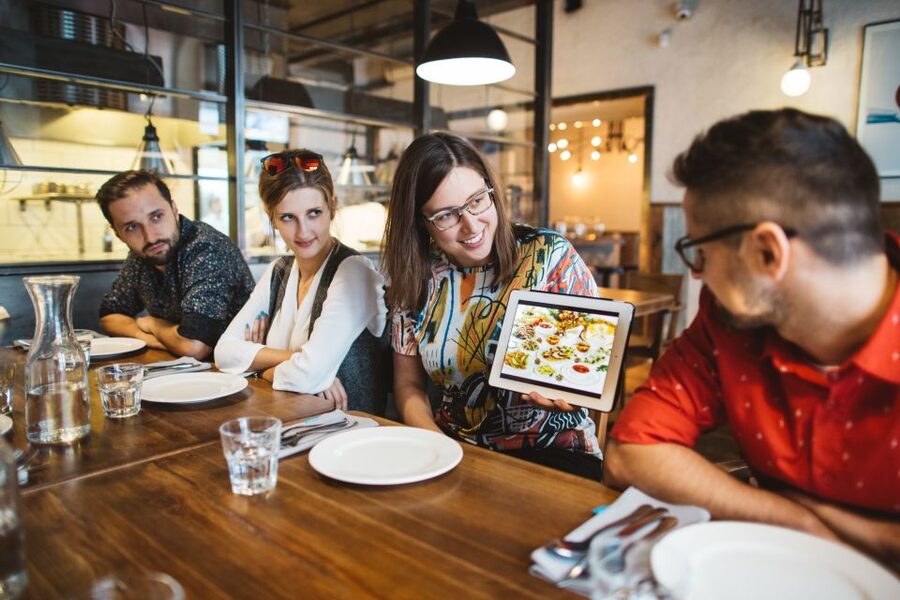
The best reason to book this tour is the range. Polish cuisine is often reduced to dumplings, but this route gives you a broader picture. You may taste cold meats and spreads, traditional soups, regional specialties, street food, a substantial main course, cheese, and a Polish dessert.
The portions matter. This is not a tour where you receive one forkful at each stop and then search for lunch afterward. The stated tastings amount to a full meal with dessert, and past groups have found the food generous enough to make skipping lunch essential.
That makes the tour good value for someone who wants both dinner and an introduction to Polish cooking. At $115 per person, it is not a cheap way to eat. You are paying for food at several establishments, a four-hour guided walk, cultural explanation, a small group, and the ease of having someone choose the stops. If you would happily spend an evening ordering several Polish courses and paying for drinks separately, the price can make sense.
If you prefer to graze lightly, it may not. The food comes at a steady pace, and the number of tastings leaves little room for a later meal.
More food tours around Poland:
- Krakow Food Tasting Tour with Delicious Poland
★ 5.0 · 1,032 reviews - Warsaw’s No 1 cooking class-Polish dumplings with liqueur tasting
★ 5.0 · 576 reviews - Krakow: Tipsy Polish Food Tour With History, Pierogi & Shots
★ 4.9 · 439 reviews
Begin beneath the trees on Plac Wolnica
The meeting point is easy to identify once you know what to look for. Meet on Plac Wolnica in Kazimierz, by the statue of the three musicians, past the Ethnographic Museum, which occupies the former Town Hall. The guide waits in the shade of the trees.
Starting in Kazimierz gives the tour a useful setting. This district is one of Krakow’s historic areas, and the route uses its streets as more than a path between restaurants. Your guide connects food to Polish customs, local history, and the way people eat at home and in public.
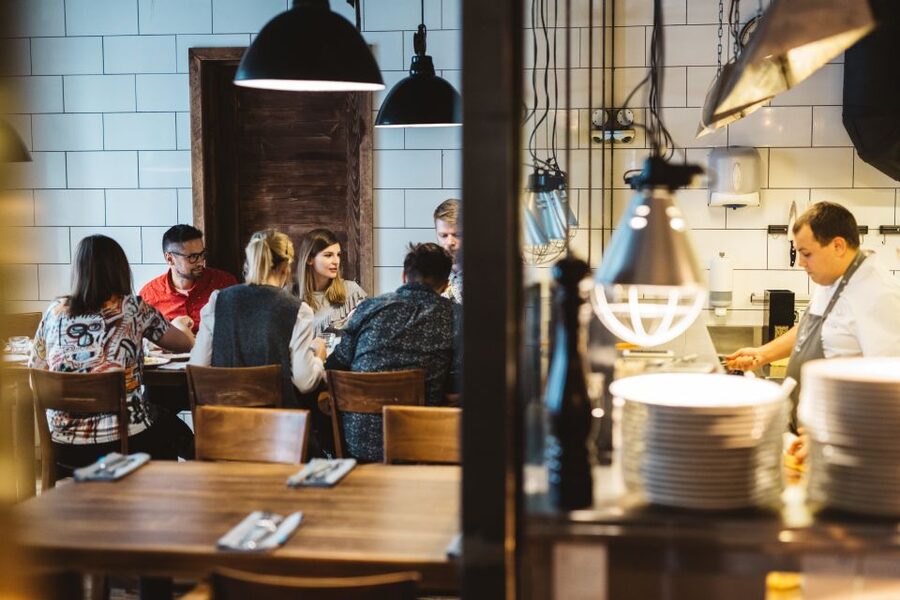
The group is capped at eight people. That is a practical advantage. You can ask why a soup tastes sour, how a dish is normally served, or what to order later in your stay without trying to interrupt a large crowd. The tour can also feel more like a meal with an informed friend than a formal lecture.
Guides named in the feedback include Tomasz, Thomas, Mateusz, and Camilla. Tomasz receives especially strong praise for his friendly, relaxed way of explaining food and Krakow. The important point is not to expect a single named guide every time, but to expect an English-speaking, bilingual foodie guide.
The first tastings explain Poland through appetite
The opening stops introduce the logic of Polish food. You may begin with street food or cold plates, then move into more traditional dishes. This is a smart order because it lets you see how Polish eating covers both quick everyday food and longer meals shared at a table.
Cold appetizers can include meats, cheeses, spreads, and bread. They are useful for understanding the balance of Polish cooking: salty, smoky, creamy, sour, and hearty flavors often appear together. The guide also explains why bread can be a subject of complaint in Poland, a small detail that says a lot about local standards and food memory.
The tour also addresses the longing some Polish people feel for products associated with the 1970s. That does not mean every old dish was better. It shows how food can carry memories of childhood, shortages, family routines, and a particular period in the country’s past.
I like this kind of explanation because it keeps the meal from becoming a checklist. You are not only learning the name of each dish. You are hearing why it matters to people.
Soup is a serious Polish course
Traditional soups receive proper attention, rather than being treated as a quick starter. A past route included two soups in a cellar restaurant, giving the group time to discuss ingredients and the traditions behind them.
Soup also introduces one of the most useful ideas on this tour: fermented does not mean spoiled. Sour flavors and fermented ingredients are important in Polish cooking, yet they can seem unfamiliar if you expect all food to taste fresh, sweet, or mild. The guide explains the difference between a deliberate cooking method and food that has simply gone bad.
This is one place where the tour earns its keep. You can read the name of a soup on a menu, but you may not understand why it tastes the way it does or when Polish families traditionally eat it. A guide can give you that missing frame of reference.
The stops are not all alike. You might eat in a cellar, at a food stall, in a cafe, or in a more polished restaurant. That variety makes the tour more useful than a meal in one restaurant because you see several sides of Krakow’s food scene.
Same city, a different plate:
- Krakow: Street Food Walking Tour
★ 4.8 · 285 reviews - Krakow Pierogi Cooking Class with Market Visit & Home-Cooked Meal
★ 5.0 · 212 reviews - Krakow: Vodka Tasting Tour: Tapas, Tipsy Tales & Hidden Gems
★ 5.0 · 203 reviews - Krakow: Guided Polish Food and Culture Tour with Tastings
★ 4.8 · 134 reviews
Main courses turn the tasting into dinner
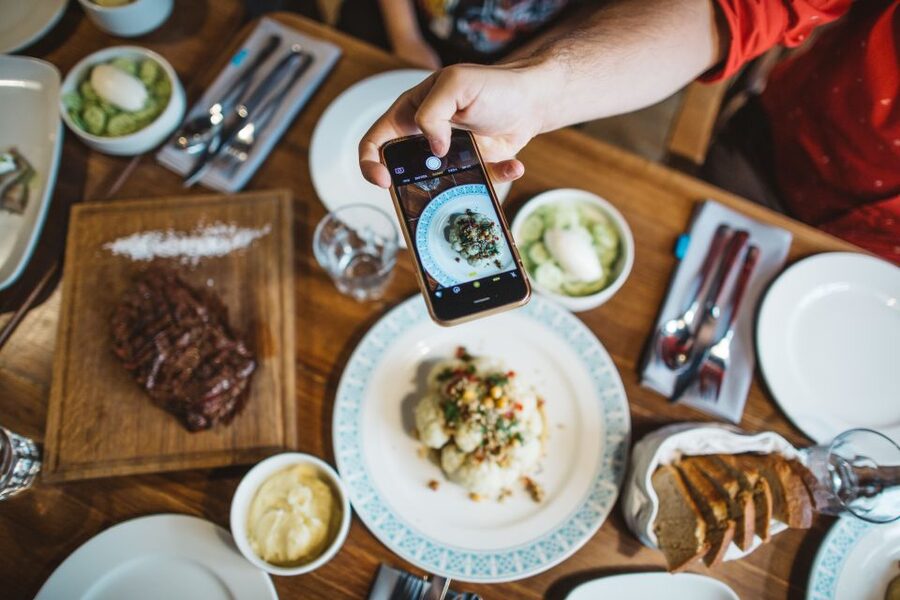
The central part of the route is substantial. One described meal included aged salted beef, potato puree, garlic broccoli, groats with blue cheese, and soda bread served as a sharing plate. You should not treat such a plate as a tiny sample. It is closer to a proper course, and the shared format allows you to try several flavors without ordering each dish yourself.
The exact menu can change, but the shape of the experience is clear. Expect traditional Polish cooking alongside dishes presented in a more modern restaurant setting. You may encounter pork, which is a major part of Polish cuisine and one of the tour’s biggest considerations for anyone who avoids meat.
Vegetarians should contact the operator about dietary needs before booking. The tour information says the menu can be adjusted for allergies, but it also warns that many dishes are pork-based. That means an allergy request and a vegetarian preference may not produce the same result. Ask in advance rather than assuming every stop will have a full substitute.
The walking between restaurants helps here. You get a chance to sit down, talk, and work through the food at a comfortable pace. Several stops offer time to discuss what you have eaten, instead of rushing you out as soon as the plate is cleared.
Drinks add a Polish angle
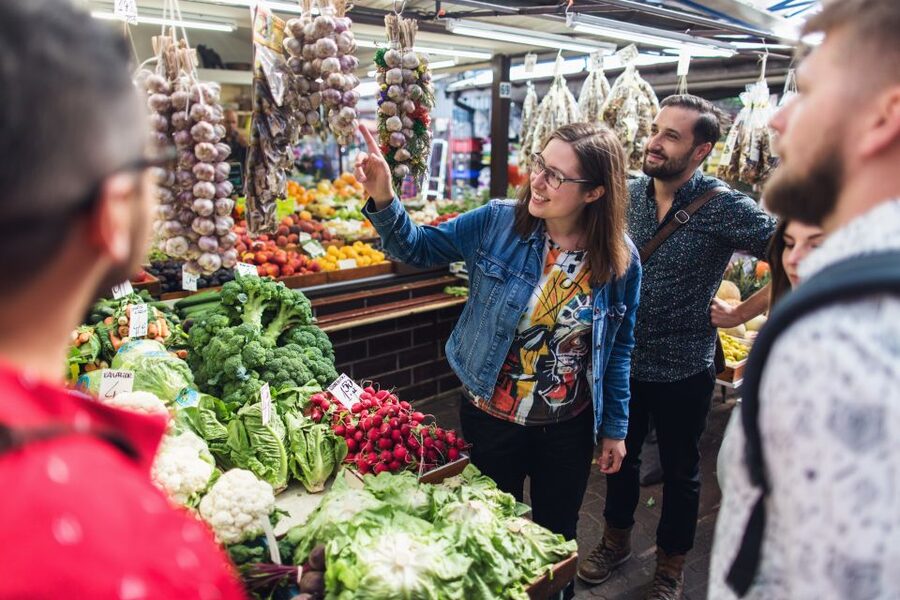
The standard experience includes water at most venues. You can also choose an option with three Polish drink pairings. Additional drinks are not included, so check the booking option carefully if matching beverages are important to you.
A drink pairing can make sense if you want to understand how Polish food is normally enjoyed, rather than tasting dishes in isolation. One earlier route included a vodka shot with cold meats, cheeses, and spreads, along with an explanation of the custom. That is a cultural moment as much as a drink.
Still, alcohol is not the reason to book this tour. The food and explanations carry the experience, and you should not feel you are missing its main point if you choose the version without pairings. If you do select the drink option, pace yourself. Three drinks on top of a large meal can be more than you expect.
Dessert comes with a Vatican connection
Save room for the final stop. Dessert is not a token bite, and the tour uses it to connect Polish food with an important national figure and the Vatican.
The route has included a cream cake associated with Pope John Paul II, a regional dessert with a story that reaches beyond the kitchen. Your guide explains the link between the dessert and the Vatican, adding a personal and cultural layer to what could otherwise be just a sweet finish.
This is the kind of detail that makes a food tour useful after the last plate is gone. You leave with a story you can retell, and you may recognize the dessert later in a cafe or bakery. The route can also include homemade ice cream or other sweets, depending on the stops chosen.
Do not assume dessert means the tour is almost light. With ten or more tastings behind you, the final course may be the point when you realize how much food has been served.
The walking route gives you a first look at Krakow
The tour is not a bus ride between restaurants. You walk through Kazimierz and toward Krakow’s Old Town, passing historic streets and Baroque and Renaissance buildings along the way.
That movement is useful early in a visit. Food gives you a reason to notice parts of the city you might otherwise pass without stopping, while the guide points out sights and explains how the city’s culture connects with its cooking. One guide also used the route to offer broader recommendations for the rest of a Krakow stay.
You should wear comfortable shoes. The walk is part of the experience, but it is still several hours on your feet, with stops for sitting, eating, and talking. The pace is not presented as strenuous, and past groups appreciated the breaks between venues, but this is not a seated tasting in one building.
The route’s changing neighborhoods and venues are a strength. The tradeoff is that the exact sequence and menu can vary, so you should book for the overall experience rather than a guaranteed list of particular dishes.
What the guide adds to the meal
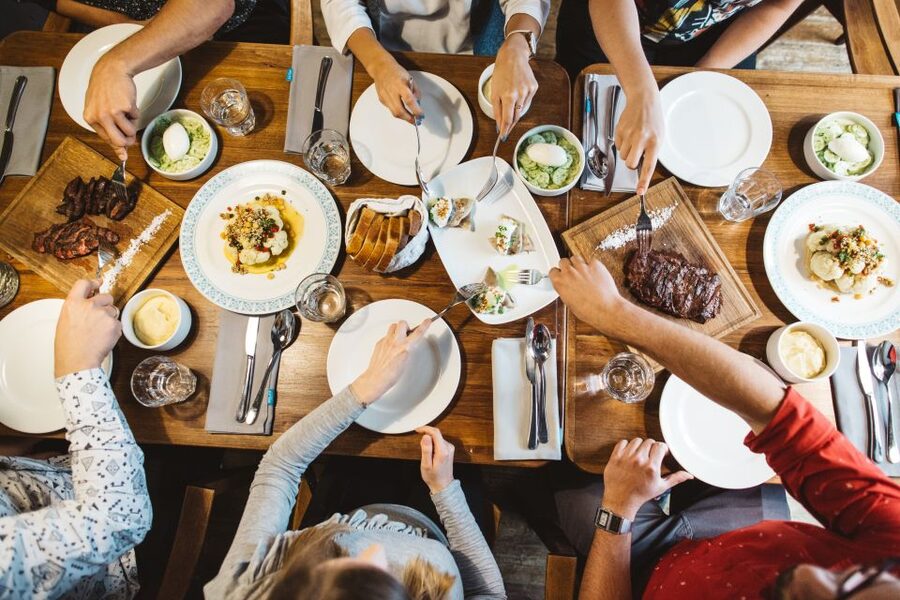
A strong food tour depends heavily on the person leading it. Here, the most praised quality is the guide’s ability to connect food with Polish history, customs, and everyday life without making the tour feel stiff.
Tomasz is described as friendly, relaxed, and passionate about Polish cuisine. Mateusz is noted for linking food with social and historical subjects. Thomas is praised for telling the stories behind dishes at an easy pace. Camilla is described as an enthusiastic ambassador for Polish food and culture.
Those details point to the tone you should expect: conversation, questions, and stories between courses. The tour is conducted in English, and the guide is bilingual. There is also a written summary of the dishes, plus tips on places to eat later.
That follow-up material is useful, but keep your expectations practical. Written information is included, and one person had trouble receiving a follow-up email in the past. If you do not receive the promised recommendations, contact the provider rather than assuming they were not sent.
Who will get the most from this tour
I would choose this for a first or second day in Krakow. You get an introduction to Polish food, a walk through central districts, and a list of places to try later. Several people used the tour as a starting point for the rest of their stay, returning to the guide’s restaurant suggestions.
It suits people who like to ask questions and try unfamiliar food. It also works well for couples, small groups, and solo visitors who prefer a social meal with a guide. A group of only two can be especially pleasant because the conversation becomes more personal, though you cannot count on having a private tour.
I would hesitate if you are a very selective eater, dislike pork, or want to control every ingredient. The operator can adjust for allergies when told in advance, but the basic menu is built around traditional Polish cooking, much of it meat-based.
I would also skip it if you want a quick activity between museum visits. Four hours is a real block of your day, and the amount of food means you will want to plan around it.
Practical booking advice for the $115 price
The price is easiest to justify when you count the whole package: about ten dishes, visits to several establishments, a four-hour walking route, an English-speaking guide, water at most venues, optional drink pairings, and written recommendations.
You are also buying access to places and dishes you might not choose confidently on your own. The guide handles the ordering and explains what arrives, which removes much of the guesswork. For a first visit to Krakow, that can be worth more than saving a little money on a self-guided lunch.
Book with breakfast in you and lunch out of the schedule. The official advice is to eat breakfast but skip lunch. That is exactly right. Arriving hungry is not a minor tip here; it determines how much of the tour you can enjoy.
Free cancellation is available up to 24 hours before the start time, and you can reserve now and pay later. Starting times depend on availability. If you have allergies, tell the operator before the tour so the menu can be adjusted where possible.
Should you book the Krakow Polish Food Tour?
Book it if you want Polish food explained in context, not simply placed in front of you. The small group, generous portions, mixed selection of venues, relaxed guides, and route through Kazimierz and the Old Town make this a strong introduction to Krakow.
The main drawbacks are the price, the large amount of food, and the pork-heavy menu. Those are easy to manage if you plan ahead, but they matter. Arrive hungry, choose the drink option that suits you, share dietary restrictions early, and leave your evening meal free.
For someone who wants an authentic first taste of Poland with plenty of local stories, this four-hour tour is a sensible use of time and money.
FAQ
Where does the Krakow Polish food tour meet?
Meet your guide at Plac Wolnica in Kazimierz, by the statue of the three musicians. The meeting point is past the Ethnographic Museum, the former Town Hall, in the shade of the trees.
How long does the tour last?
The tour lasts four hours. Starting times vary, so you need to check availability when booking.
How many food tastings are included?
You receive about 10 food tastings at 4 to 6 venues. The food includes cold appetizers, hot soups, traditional dishes, street food, and sweets, with enough food for a full meal and dessert.
Are drinks included?
Water is provided at most venues. Three Polish drink pairings are included only when you select the option with pairings. Additional drinks are not included.
Can vegetarians or people with allergies join?
You should advise the operator about allergies so the menu can be adjusted. The cuisine is based largely on pork, so many standard dishes may not suit vegetarians.
What is the cancellation policy?
You can cancel up to 24 hours before the tour for a full refund. You can also reserve now and pay later.
Fresh off the menu around Poland
- Krakow: Vodka Tasting Tour: Tapas, Tipsy Tales & Hidden Gems★ 5.0 · 203 reviews
- Krakow: Traditional Street Food Walking Tour★ 4.6 · 51 reviews
- Krakow: Guided Polish Food and Culture Tour with Tastings★ 4.8 · 134 reviews
- Krakow: Traditional Polish Food and Drinks Tasting Tour★ 4.8 · 77 reviews
- Krakow: 6-Course Full Polish Food Tour with Vodka Tasting★ 4.8 · 98 reviews
- Gdansk Private Polish Beer Tasting Tour at Best Pubs & Bars★ 4.8 · 22 reviews
- Gdańsk: Authentic Polish Vodka & Food Experience★ 4.9 · 50 reviews
- Gdansk Traditional Food Tour with Old Town Sightseeing★ 4.5 · 27 reviews
Krakow Food Tours, compared.
Krakow Food Tasting Tour with Delicious Poland
Read our review →
Krakow: Tipsy Polish Food Tour With History, Pierogi & Shots
Read our review →
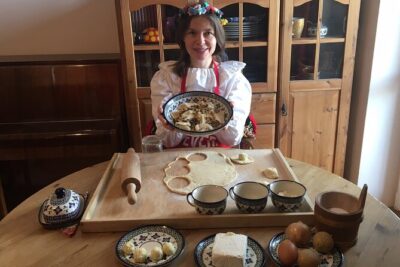
Krakow Pierogi Cooking Class with Market Visit & Home-Cooked Meal
Read our review →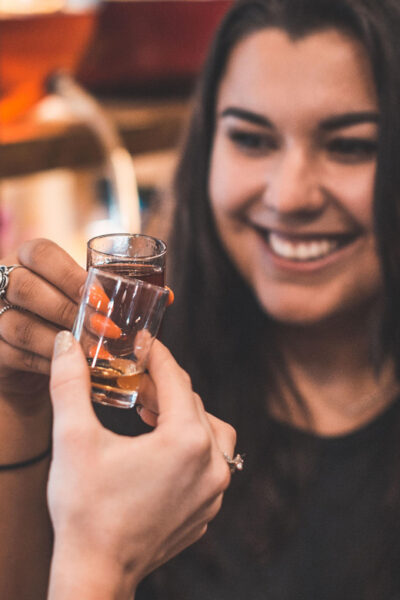
Krakow: Vodka Tasting Tour: Tapas, Tipsy Tales & Hidden Gems
Read our review →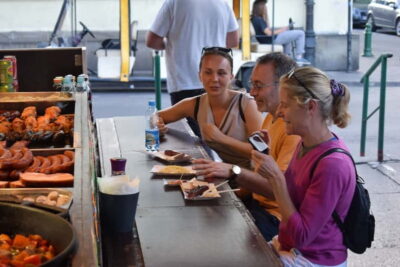
Krakow: Guided Polish Food and Culture Tour with Tastings
Read our review →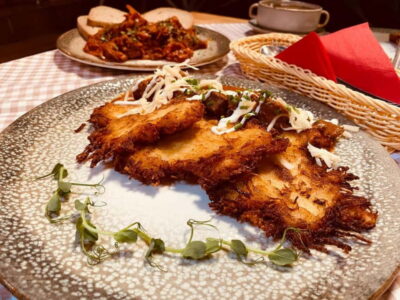
Krakow: 6-Course Full Polish Food Tour with Vodka Tasting
Read our review →
Krakow: Traditional Polish Food and Drinks Tasting Tour
Read our review →Browse the lists this tour appears in