
Review · INDIA
Bengali Nights Kolkata Food Tour with 13+ Tastings
Kolkata’s best food stories are often told in tiny cafés, old kitchens, and street stalls rather than grand restaurants. This four-hour tour takes you from Esplanade into lesser-visited neighborhoods for 13 or more Bengali tastings, with local transport, old food shops, temples, book stalls, and colonial cafés along the way.
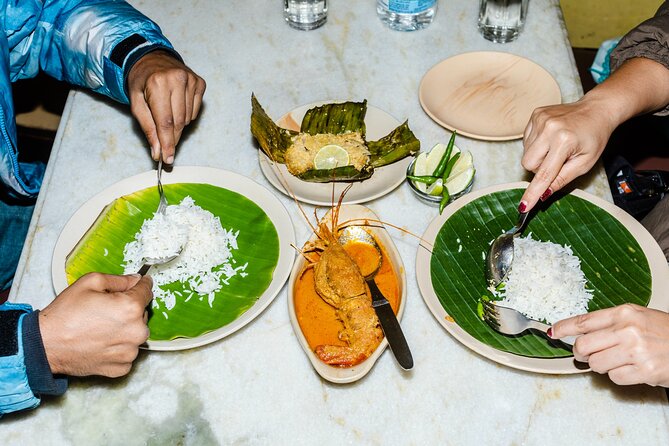
I like the range: mutton kosha, prawns in coconut cream, banana-leaf fish mousse, onion bhajis, gram salads, sherbet, sweets, and coffee. I also like the guide-led sense of place, especially with Avik, whose storytelling connects each dish to Kolkata’s past. The main drawback is that the tour is not suitable for vegetarians, people with lactose intolerance, or anyone with food allergies, and the meeting point at Metro Gate 4 can take a little finding.
Key points at a glance
- 13 or more substantial tastings: Expect Bengali curries, seafood, fried snacks, drinks, sweets, and coffee rather than one large meal.
- Old Kolkata beyond the usual sights: Walk through quieter historic neighborhoods, temples, lanes, College Street, and local markets.
- Transport is part of the tour: The route uses the metro and traditional local transport, with the possibility of a tram, rickshaw, bus, or taxi.
- A small group of up to eight: This makes it easier to ask questions and keep the food stops moving.
- A strong local guide matters: Avik is praised for his knowledge of Kolkata’s food, culture, and old Calcutta stories.
- Plan to arrive hungry: The food comes in many portions over four hours, and alternatives are limited for dietary restrictions.
Why this Kolkata food tour feels different
Many city food tours simply move from one famous snack to another. This one uses food as the thread connecting Kolkata’s neighborhoods, transport, buildings, student life, and family-run kitchens.
You begin at Esplanade, a central and practical starting point, then ride toward an area that sees fewer foreign visitors. That change matters. You are not just sampling food near a hotel district. You are seeing how Kolkata eats in its ordinary streets and long-established local businesses.
The group size is capped at eight people. That is small enough for Avik to explain a dish without shouting, and for you to ask how to eat something unfamiliar. It also keeps the stops manageable in narrow lanes and tiny dining rooms.
At $40 per person, the tour is not the cheapest way to eat in Kolkata. It is still good value if you want a ready-made route, a local guide, transport between districts, and enough food to replace dinner. You are paying for access and interpretation as much as for the dishes themselves.
More food tours around India:
- The Great Indian Food Tour: Old Delhi Food and Heritage Walk
★ 5.0 · 1,698 reviews - Mumbai: Street Food and Night Markets Tour
★ 4.9 · 719 reviews - Old Delhi Street Food Tour
★ 5.0 · 497 reviews
From Esplanade to a local lassi
Meet your guide outside Exit Gate 4 of Esplanade Metro Station, on S.N. Banerjee Road. This is on the Blue and Green metro lines, so the subway is often easier than a taxi during busy periods. Give yourself extra time to identify the correct exit. One participant found the meeting point tricky, and that is useful advice for anyone arriving in an unfamiliar part of the city.
After meeting Avik, you take the metro toward a food-focused district that is less familiar to most international visitors. The first taste is a local lassi or similar yogurt-based drink from a street vendor. It is a gentle opening to the evening, though anyone with lactose intolerance should note that dairy appears early and alternatives are not guaranteed.
The tour operates in rain or shine. Kolkata weather can change quickly, so comfortable shoes and an umbrella are sensible. You will be walking on ordinary city streets, not following a polished sightseeing route.
Mutton kosha in a tiny old kitchen
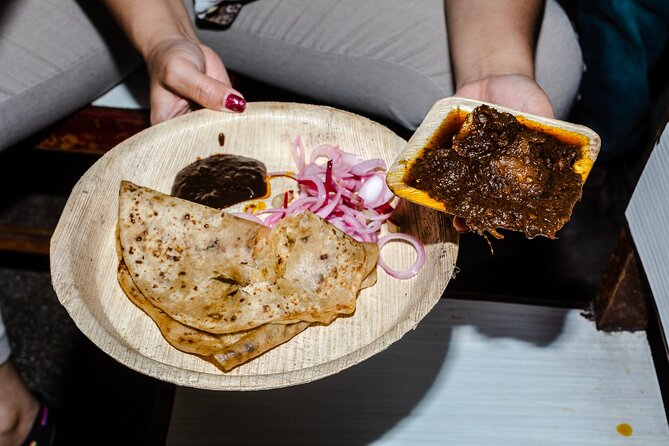
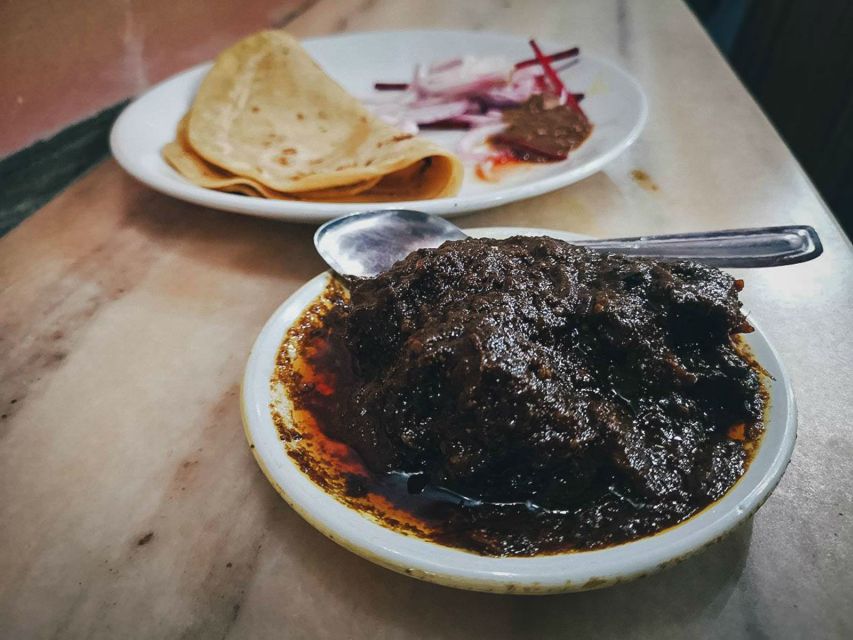
One of the early food stops is a small establishment known for mutton kosha, a dark, slow-cooked Bengali curry. The kitchen has been preparing its version for more than a century, which gives the dish a useful sense of continuity. You get to taste the curry in the kind of compact local setting that can be hard to identify on your own.
Mutton kosha is not a delicate dish. It is rich, heavily seasoned, and meant to be eaten with bread or rice, depending on the stop. This is one reason to arrive hungry but not stuffed. The tour offers many tastes, and the first curry could easily fill you if you treat it as a full restaurant meal.
As you eat, Avik explains old Calcutta and the places around you. His role is important here. Without context, an old eating house is simply a small room with a famous recipe. With the story, you understand why it has lasted and how food fits into the city’s changing neighborhoods.
Seafood, banana leaves, and Bengali sauces
The next part focuses on Kolkata’s seafood tradition. You visit celebrated local seafood restaurants for prawns in a chingri coconut cream sauce and a curried fish mousse steamed in a banana leaf.
These are useful tastings because they show two different sides of Bengali cooking. The prawn dish brings sweetness and coconut, while the banana-leaf preparation adds fragrance and keeps the fish moist. The portions are designed as tastings, not full plates, so you can try both without losing room for the rest of the route.
Seafood is a major reason to choose this tour over a general street-food walk. The menu is not limited to fried snacks. You get a look at restaurant cooking, old recipes, and the ways Bengali cooks use river and coastal ingredients.
Still, this is not a tour for people who need strict control over ingredients. The menu includes meat, fish, prawns, dairy, and street food. The operator says people with food allergies should not join, and there are no guaranteed substitutions.
Same city, a different plate:
- Feni and Tapas – Food Trail with Tastings & Drinks by Make It Happen
★ 5.0 · 409 reviews - Delhi: Old Delhi Street Food Tour with Rickshaw Ride
★ 4.9 · 403 reviews - Delhi Food Walk: Rickshaw Ride, Street Eats & Market Tour
★ 5.0 · 401 reviews - Old Delhi Food Tour: A Night Time Feast
★ 5.0 · 326 reviews
A ride through old Kolkata
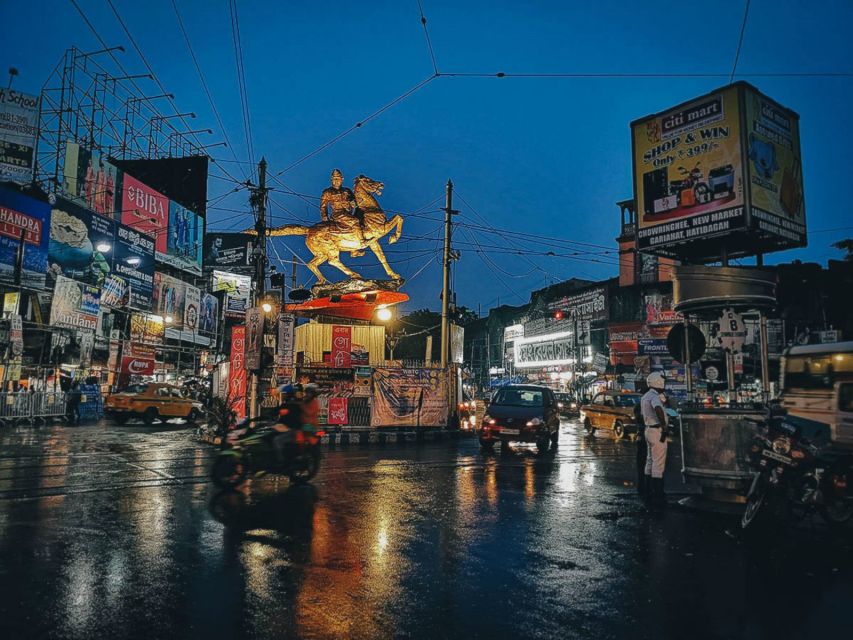
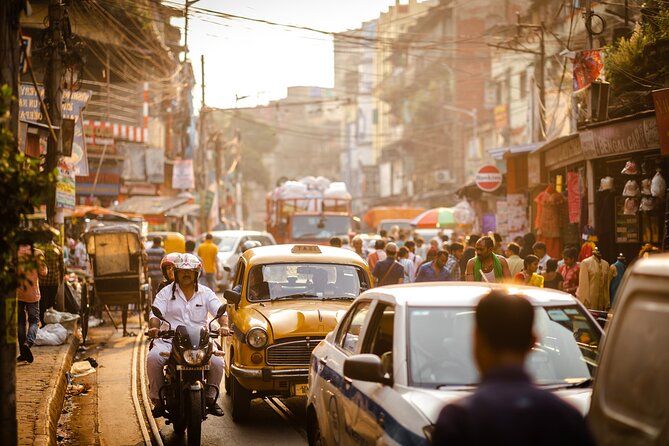
Transport helps break up the food and adds another layer to the evening. The route uses local options, including the metro and traditional rickshaws, with the activity information also referring to the old tram. Reviews describe a mix that can include a local bus, yellow taxi, rickshaw, and subway.
The wooden rickshaw ride is especially distinctive. These carts still operate in Kolkata, and the short journey gives you a direct view of the street rather than a tourist-bus version of the city. It is not a long sightseeing ride, but that is part of its appeal. You use transport because local people use it, moving from one food stop to another.
Transport times can vary with traffic and city conditions. That is worth accepting. This is a living-city tour, not a timed indoor attraction. If you prefer a fixed route with no waiting or street-level uncertainty, a restaurant tasting menu may suit you better.
Prawn kabiraji and Kolkata’s old food businesses
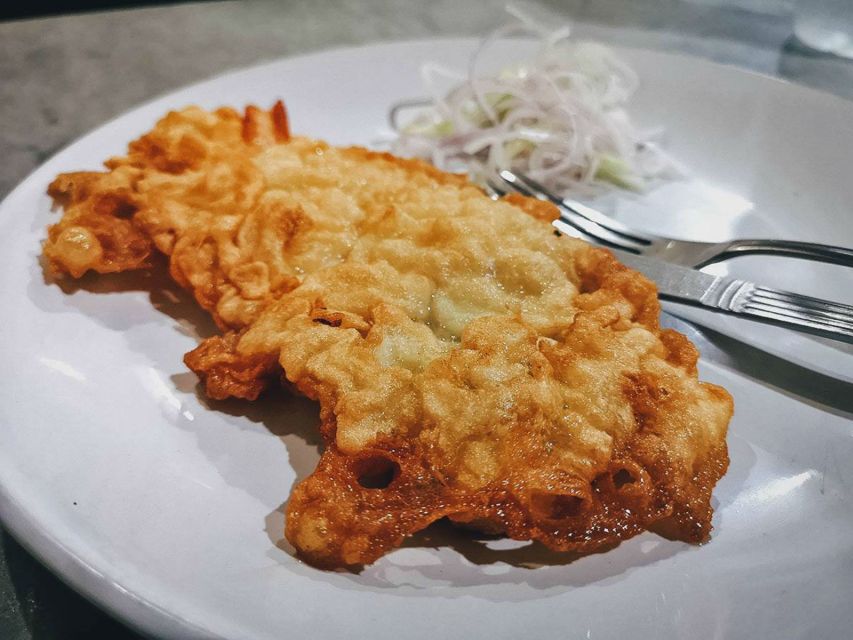
Another major stop is a legendary kitchen associated with prawn kabiraji. The restaurant was started by a Scot in the 19th century, an example of how Kolkata’s food culture grew through contact among Bengali, British, and other communities.
Prawn kabiraji is a theatrical dish, with the prawn wrapped in a delicate fried egg coating. It is crisp, rich, and best eaten fresh. This stop adds contrast after the curry and seafood dishes. You are not simply repeating the same flavors in different rooms.
The tour’s sequence is one of its strengths. A drink comes first, then a substantial curry, then seafood, then fried seafood, followed by street snacks, sweets, and coffee. By the end, you have tried a broad section of Kolkata’s food rather than just the dishes most visible to visitors.
Quiet lanes, temples, and everyday neighborhood life
Between food stops, Avik leads you through a calmer part of the city. You may pass temples, old buildings, local homes, and small street scenes that are easy to miss from a taxi.
This walking section gives the tour its wider purpose. You are not only being taken to famous places to eat. You are learning how people move through older neighborhoods and how food shops fit into daily life. One particularly observant detail from the route is an old gaslamp bracket, a small reminder of the city before modern street lighting.
The streets are not arranged for sightseeing. Expect uneven surfaces, traffic, noise, and ordinary city activity. Wear shoes that can handle four hours of walking and standing. The route is best for people who enjoy looking around between tastings instead of rushing straight to the next plate.
Onion bhajis, gram salads, and street-side snacks
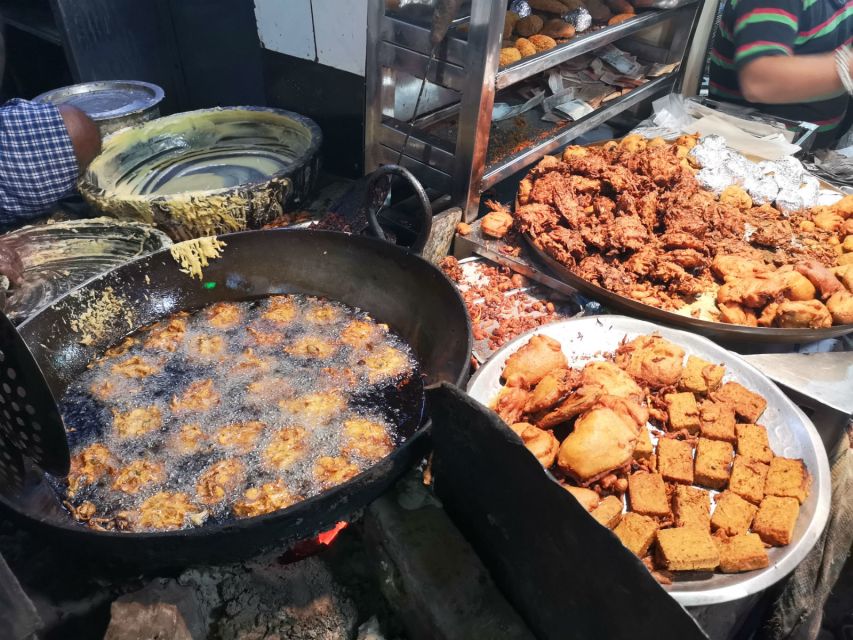
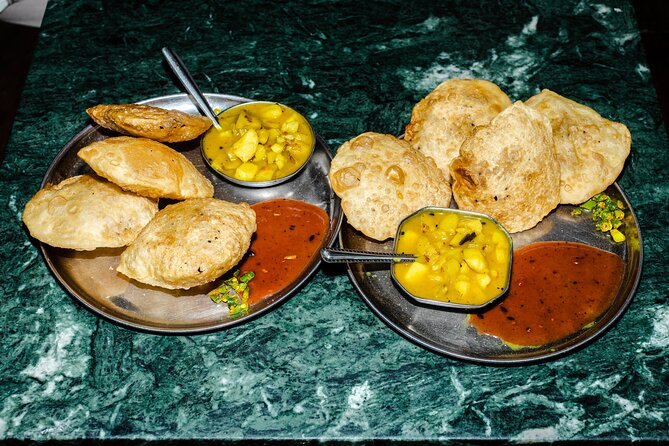
The street-food section adds some of the most casual tastes of the evening. You may try onion bhajis from a well-known local seller and a sharp, fresh gram salad made with herbs and pulses.
These foods show a different side of Bengali eating. They are quick, inexpensive, and connected to everyday routines. They also bring crunch and acidity after the heavier meat and seafood dishes.
Street food can make some visitors nervous, especially in a hot city. The tour chooses established stops, and one participant specifically appreciated the attention to hygienic food. Still, normal care is sensible. Eat what is served at the planned stops, follow the guide’s advice, and tell Avik about any concern before the first tasting.
Vegetarians should think carefully before booking. The food plan is built around meat, seafood, and dairy, and the operator says vegetarians may receive two or three fewer tastings without replacement dishes. This is not a vegetarian tour with a parallel menu.
College Street and a coconut sherbet
The route eventually reaches College Street, one of Kolkata’s best-known student and book districts. Booksellers line the area, and university students pass through after lectures. The setting changes again, from old food lanes to an academic quarter filled with reading, debate, and commerce.
You stop at a local café for a coconut sherbet drink. The tour also includes paan sherbet, which one participant singled out as a favorite. These drinks give your palate a break from fried and spicy foods and introduce flavors you may not order without a guide.
Nearby, a sweet shop provides Bengali treats. The exact selection can vary, but the purpose is clear: finish the savory part of the route with sweets that are central to Bengali food culture. If you are used to ending dinner with one small dessert, pace yourself. By this point, the number of tastings adds up.
Coffee, students, and faded colonial style
The evening ends in an old colonial coffee shop, where students debate beneath ceiling fans and waiters wear traditional clothing. It is less about one final dish than about atmosphere and conversation.
This last stop gives you time to absorb the route. The café connects Kolkata’s food culture with its intellectual life, especially the student world around College Street. After four hours of moving through lanes and eating at small establishments, a seated coffee is a sensible finish.
The coffee shop may be busy and informal rather than quiet and polished. That is part of the setting. You are seeing a working café with its own rhythm, not a performance staged for tour groups.
What $40 gets you
The $40 price includes the guide, local transport used during the tour, a 15-taster menu across several locations, bottled water, and local taxes. You also get a four-hour route that would be difficult to plan efficiently without local knowledge.
Food in Kolkata can be very cheap, so you could spend much less by eating independently. The value here is the range and the structure. Avik knows which old establishments to use, how to order, how to sequence the food, and how to connect each stop to the city around it.
Alcohol is not included. Hotel pickup and drop-off are also not included, so you need to reach Esplanade on your own and arrange your return. Uber is recommended, with payment by cash or connected card, and you need mobile data, Wi-Fi, a local SIM, or an international eSIM to use it.
The tour offers free cancellation up to 24 hours before departure and allows you to reserve now and pay later. Starting times vary, so check availability for the date you want.
Who will enjoy this tour most
I would choose this tour early in a Kolkata visit if I wanted help understanding what to eat for the rest of my stay. It gives you dishes, neighborhoods, transport tips, and a guide who can explain the city in plain terms.
It is particularly good for:
- First-time visitors who want more than the main monuments
- Curious eaters comfortable with meat, seafood, dairy, and street food
- People who enjoy walking through ordinary neighborhoods
- Visitors interested in old Calcutta, local transport, and student life
- Small groups who want time to ask questions
- Anyone who wants a full dinner while exploring the city
I would skip it if you have food allergies, lactose intolerance, or strict dietary rules. Vegetarians will miss several dishes, and there are no reliable alternatives at every stop. It may also be a poor fit if you dislike walking, small eateries, or transport changes.
Should you book Bengali Nights?
Yes, if you want Kolkata explained through food rather than simply photographed. The strongest parts are the variety of tastings, the old neighborhood walks, the local transport, and Avik’s personal connection to the city. The 4.8 rating from 70 reviews reflects a very consistent response to those elements.
Book it with an appetite, comfortable shoes, and realistic expectations about street conditions. Do not book it hoping for a vegetarian menu or allergy-friendly substitutions. For an adventurous eater who wants to understand why Kolkata tastes the way it does, this is a well-priced and unusually personal introduction.
FAQ
How long is the Bengali Nights Kolkata Food Tour?
The tour lasts four hours.
How many dishes and drinks are included?
The tour includes 13 or more Bengali dishes and drinks. The included menu is also described as a 15-taster menu across multiple locations.
Where does the tour meet?
Meet your guide at Exit Gate 4 of Esplanade Metro Station, at street level on S.N. Banerjee Road in Kolkata.
Who leads the tour?
The tour is led in English by a local foodie guide from Kolkata. Avik is specifically named in the experience information and participant feedback.
How many people are in the group?
The small group is limited to a maximum of eight participants.
Is the tour suitable for vegetarians?
Not fully. Vegetarians may receive two or three fewer tastings, and there are no alternative dishes at every stop.
Is the tour suitable for people with lactose intolerance or food allergies?
No. The tour is not suitable for people with lactose intolerance or food allergies because several tastings contain dairy or other ingredients, and alternatives are not guaranteed.
Is hotel pickup included?
No. You must reach Esplanade Metro Station independently, and hotel drop-off is not included.
Fresh off the menu around India
- Old Delhi: Guided Street Food Tour w/ Private Transportation★ 5.0 · 49 reviews
- Old Delhi Street Food Tour★ 4.8 · 40 reviews
- Delhi: Old Delhi City Tour with Tuk Tuk Ride & Street Food★ 4.9 · 46 reviews
- Old Delhi Food Tour: 8 Tastings & Trusted Local Stops★ 5.0 · 33 reviews
- Old Delhi Food Tour: A Night Time Feast★ 5.0 · 326 reviews
- Old Delhi: 3-hour Street Food Tour★ 4.6 · 37 reviews
- Munnar: Tea trail, Tea Factory, and Tea Tasting Tour★ 4.9 · 47 reviews
- Mumbai Street Food Tour with Evening Bazaar Walk★ 4.9 · 79 reviews
India Food Tours, compared.
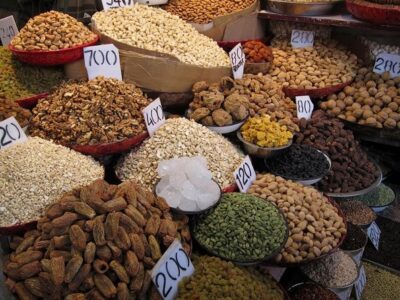
The Great Indian Food Tour: Old Delhi Food and Heritage Walk
Read our review →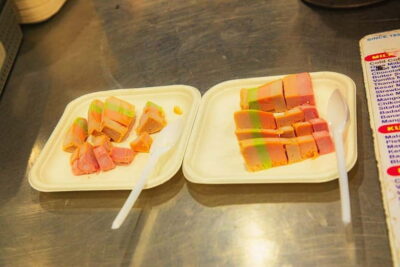
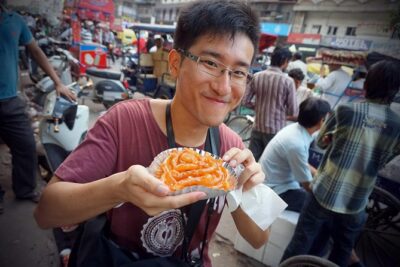
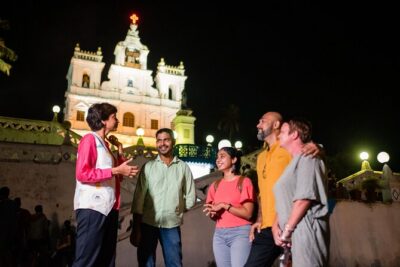
Feni and Tapas – Food Trail with Tastings & Drinks by Make It Happen
Read our review →
Delhi: Old Delhi Street Food Tour with Rickshaw Ride
Read our review →
Delhi Food Walk: Rickshaw Ride, Street Eats & Market Tour
Read our review →
Browse the lists this tour appears in